Table of Contents
Some people discover they enjoy pain during sex long before they ever call it a kink. A firm bite, rough thrusting, a hard grip, or a sudden slap can create a rush that feels far more intense than soft touch alone. That can be confusing at first, especially for people who assume pleasure and pain should never overlap.
Yet sexual wellness experts increasingly agree that this reaction is not unusual. In the right erotic setting, controlled discomfort can heighten arousal, sharpen anticipation, and make the body feel more awake. For many adults, it becomes less about “wanting pain” and more about craving stronger sensation, deeper surrender, or the psychological charge that comes with taboo stimulation.
To understand why this happens, it helps to look at the body, the brain, and the growing role kink plays in modern intimacy.
What Does It Really Mean to Enjoy Pain During Sex?
To enjoy pain during sex means certain forms of controlled discomfort feel sexually stimulating rather than purely unpleasant. This can include spanking, scratching, biting, hair pulling, pressure, or firmer internal stimulation. In many cases, the sensation is not interpreted as harm. It feels like heightened intensity.
This is why many people who enjoy rougher touch do not necessarily identify with hardcore BDSM. Their interest may simply fall under a broader kink umbrella where stronger physical input creates a more powerful erotic response.
The key difference is consent and desire. When the body expects intensity and wants it, pain often shifts into something more layered—part pleasure, part adrenaline, part emotional release.
For some, it feels grounding. For others, it feels thrillingly out of control.
Why Can Enjoy Pain During Sex Feel Pleasurable?
Pain can feel pleasurable during sex because arousal changes how the nervous system processes sensation. Once the body becomes sexually activated, chemicals such as dopamine, adrenaline, endorphins, and oxytocin begin flooding the brain.
These chemicals do three important things:
- they raise excitement,
- they reduce distress,
- they increase sensory focus.
As a result, a sharp smack or deep pressure may not register the same way it would outside intimacy.
EroticIntensity=PhysicalPressure+ArousalHormones+AnticipationErotic Intensity = Physical Pressure + Arousal Hormones + AnticipationEroticIntensity=PhysicalPressure+ArousalHormones+Anticipation
This explains why some people report that pain during sex does not feel “painful” in the normal sense. Instead, it feels hot, consuming, or almost euphoric. The body is still receiving strong input, but the erotic context changes the meaning of that input.
That shift is where pleasure begins.

How Does Kink Influence the Desire to Enjoy Pain During Sex?
Kink adds a psychological frame that makes painful sensation feel more charged. Once an act becomes associated with dominance, surrender, teasing, or taboo, the brain often reacts before the touch even happens.
This is why pain-based kink is rarely just about force. It is about what the force represents.
A slap may signal:
- control,
- punishment,
- permission to let go,
- or intensified attention.
That symbolic meaning can make the body anticipate the sensation more strongly. Anticipation itself increases heart rate and body tension, which amplifies every physical response that follows.
Even couples who do not use the word kink often engage in this dynamic naturally. They crave rougher moments because those moments feel less routine and more emotionally loaded.
Pain becomes part of the fantasy, not just part of the touch.
Why Anticipation Makes Pain During Sex More Addictive
Anticipation changes the body before contact ever lands. Waiting for impact, wondering how hard the next touch will be, or being teased with delayed stimulation creates nervous system suspense.
That suspense can be intensely erotic because it keeps the body hovering between anxiety and desire.
Many people who enjoy pain during sex are actually responding to this build-up as much as the sensation itself. The longer the wait, the stronger the release tends to feel.
This is also why controlled teasing tools have become more common in kink exploration. Some women find that adjustable external stimulation—especially prolonged clitoral teasing from a vibrator used in stop-start patterns—creates the same edge-building intensity as mild pain play, but with more control.
In other words, the body often wants tension before it wants relief.
Is Liking Pain More Physical or More Psychological?
It is usually both working together.
Physically, the body responds to stronger pressure with increased blood flow, muscular contraction, and sharper nerve awareness. Psychologically, the mind attaches meaning to that sensation—submission, challenge, risk, reward, or release.
That combination is why the same physical act can feel wildly different depending on mood and partner.
For example, deep repetitive pressure may feel too intense one day and unbelievably satisfying another day because mental arousal changes tolerance.
Likewise, many women notice that stronger external stimulation from high-powered clitoral toys or fuller internal vibration can create a similar “almost too much, but good” sensation. The body sometimes responds best not to gentle touch, but to controlled overload.
This does not mean pain alone is pleasurable.
It means the brain often eroticizes intensity.
Why Do Some Women Enjoy Pain During Sex During Peak Arousal?
Women often report stronger tolerance for rougher touch once arousal is already high. At that point, blood flow has increased, pelvic muscles tighten, nipples become more responsive, and the clitoris becomes highly engorged.
That means sensation no longer feels flat. It feels magnified.
Under these conditions:
- firmer penetration,
- stronger thrusting,
- nipple pinching,
- harder vibrator pressure,
- or spanking
can blend with sexual tension instead of interrupting it.
Timing matters here more than people realize. What feels uncomfortable during foreplay may feel intensely pleasurable near orgasm because the body is primed for excess sensation.
This is also why many women experimenting with kink do better when intense touch is layered gradually after arousal rises, rather than introduced too early.
The body needs momentum before it welcomes edge.

Can Stronger Sex Toys Create a Similar Pain-Pleasure Response?
Yes, in many cases they can.
A lot of women who are curious about why they enjoy pain during sex are not necessarily looking for bruising or heavy BDSM. They are looking for stronger sensory contrast than fingers or gentle intercourse can provide.
This is where powerful stimulation tools sometimes enter the conversation naturally.
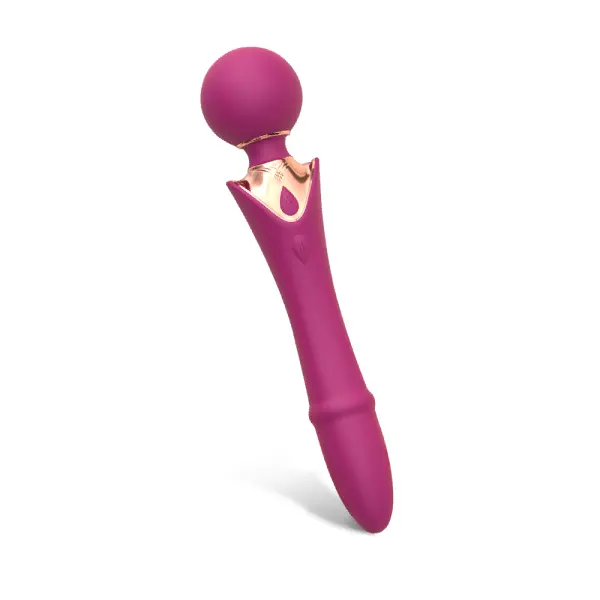
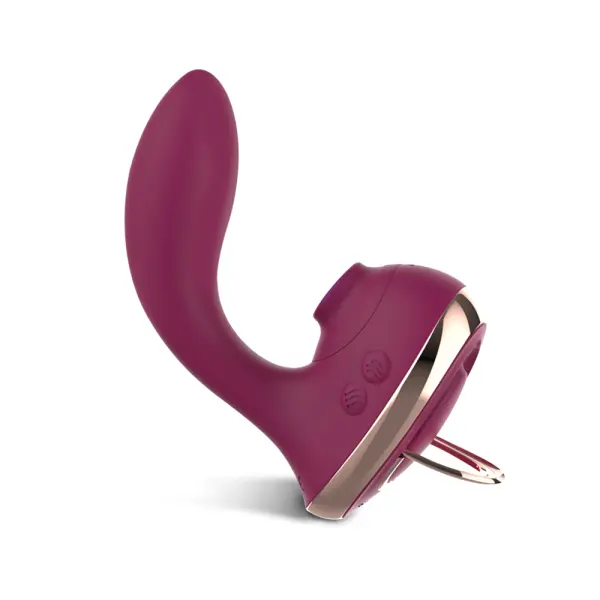
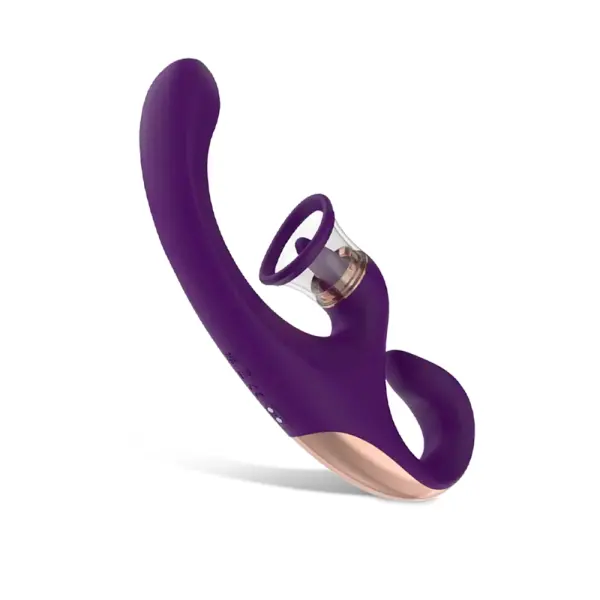
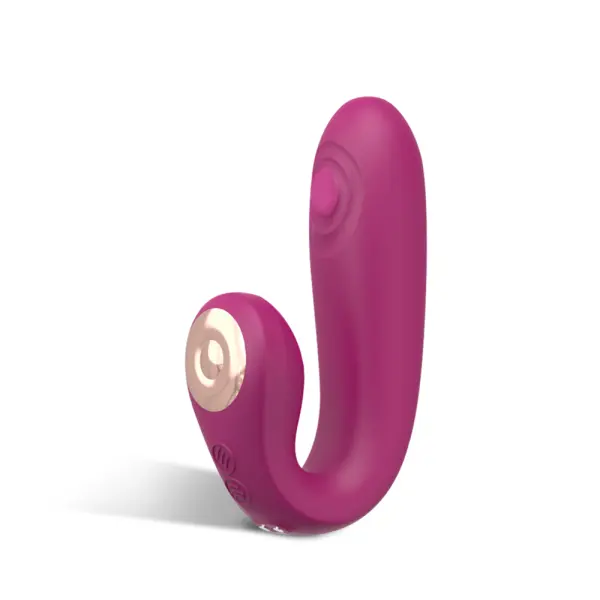
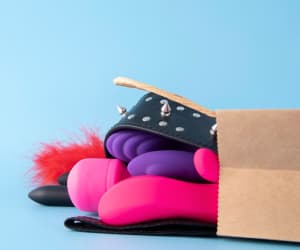
A deep-reaching vibrating wand, a firm G-spot vibrator, or a high-intensity clitoral stimulator can create that “too much but keep going” threshold that mimics mild pain-pleasure crossover. The sensation is intense enough to challenge the nervous system, which often makes orgasms feel less predictable and more explosive.
The benefit is adjustable control. Unlike manual roughness, intensity can be increased slowly and reduced instantly.
For many beginners, this feels safer than jumping straight into heavier kink.
How Trust Affects Whether You Enjoy Pain During Sex
Trust, consent, and limits are part of sexual wellness and safer exploration, especially when stronger sensation or pain-play curiosity enters the experience.
Trust is the invisible factor behind almost every positive pain-related sexual experience. Without trust, the body tends to stay guarded. With trust, it relaxes enough to reinterpret intensity as stimulation.
That is why the same bite or slap can feel wrong with one partner and electrifying with another.
Trust influences:
- whether the body feels safe,
- whether surrender feels exciting,
- whether discomfort turns into panic or pleasure.
A responsive partner who checks body language, slows down when needed, and understands limits creates the conditions where pain can feel erotic instead of threatening.
This is not just emotional softness. It is nervous system permission.
Without that permission, most kink collapses.
When Does Pain Become Too Much?
Enjoying pain during sex should still feel chosen, exciting, and physically manageable. Once the sensation creates dread, lingering emotional discomfort, or injury beyond agreed limits, the experience stops being erotic enhancement.
Warning signs include:
- feeling pressured to accept roughness,
- pain that outlasts arousal,
- numbness instead of excitement,
- bruising or tearing,
- emotional shutdown after sex.
Healthy kink should intensify connection, not create confusion or fear.
If stronger sensation consistently feels necessary just to stay aroused, it may help to slow down and explore whether the issue is novelty seeking, desensitization, or communication gaps in the sexual dynamic.
Intensity should add to pleasure, not replace it entirely.
Final Thoughts
Most people who enjoy pain during sex are not chasing suffering. They are chasing heightened feeling—more pressure, more anticipation, more emotional surrender, more nervous system engagement. Pain simply becomes one route to reach that edge.
That is why this preference often overlaps with kink, teasing, stronger toys, and rougher power dynamics. The common denominator is not damage. It is intensity that makes the body feel impossible to ignore.
Still, everyone’s threshold is different. What feels thrilling for one person may feel overwhelming for another, which is why experimentation works best when it stays gradual, communicative, and physically mindful. And if recurring pain creates concern instead of excitement, a qualified sexual health professional can help rule out whether the sensation is part of healthy exploration or a sign that the body needs different care.
Yes. Many adults experience a pain-pleasure crossover during arousal, especially in kink or rougher sexual play where anticipation and trust are present.
Not always. Some people enjoy only mild roughness or stronger sensation without identifying with formal BDSM roles.
As arousal rises, blood flow and nerve sensitivity increase, which makes the body tolerate and even crave more intense input.
Yes. High-powered clitoral stimulators, G-spot vibrators, and fuller vibration can create controlled overstimulation that feels similar to mild pain crossover.
Absolutely. Erotic pain feels chosen and exciting, while harmful pain feels distressing, violating, or physically damaging.
-
 Quick View
 -
Quick View
-
Quick View
-
Quick View