Table of Contents
From primal fetish dynamics to sensory-focused attractions, human desire comes in many forms. Among them, leg fetish—also known as crurophilia—stands out as one of the most widely shared yet quietly discussed preferences. What makes legs so compelling isn’t just appearance; it’s a mix of biology, psychology, and culture working together.
This guide breaks down what leg fetish really means, why it develops, and how it can be explored in a healthy, respectful, and even empowering way.
What Is a Leg Fetish and How Is It Defined?
A leg fetish refers to a strong attraction—sometimes sexual—toward legs, including thighs, calves, knees, or ankles. In scientific terms, this is called crurophilia, a type of partialism where a specific body part becomes a primary focus of desire rather than the whole body.
Unlike casual appreciation, this attraction often triggers emotional or physical arousal. For some, it’s visual admiration; for others, it extends into touch, intimacy, or fantasy.
Interestingly, studies suggest that preferences like leg length, symmetry, and proportion may be rooted in subconscious signals of health and fertility—making this attraction more instinctive than people assume.
Why Does a Leg Fetish Develop?
A leg fetish typically develops through a combination of early experiences, conditioning, and biological cues rather than a single cause.
Several contributing factors include:
- Early imprinting: Associations formed during adolescence can shape long-term attraction patterns
- Reward conditioning: Repeated exposure to certain visuals (e.g., stockings, heels) builds preference
- Subtle eroticism: Legs reveal and conceal at the same time, creating anticipation
- Evolutionary signals: Longer or well-proportioned legs may indicate health and development
Rather than being random, this attraction often reflects how the brain links visual cues with emotional or physical responses over time.
Why Are Legs Considered Attractive Across Cultures?
A leg fetish aligns with broader cultural and biological standards of beauty, though the specifics vary by region.
Research shows that people often prefer legs about 5% longer than average, possibly due to associations with:
- Balanced growth and nutrition
- Lower risk of certain health conditions
- Higher perceived reproductive fitness
At the same time, media and fashion amplify this attraction. From high heels to hosiery, modern aesthetics consistently emphasize legs as symbols of elegance, power, and sensuality.

How Is a Leg Fetish Different From a Foot Fetish?
A leg fetish focuses on areas like thighs, calves, and knees, while a foot fetish centers on toes, arches, and soles.
Although the two can overlap, they are neurologically and psychologically distinct:
- Leg fetish: Emphasis on shape, movement, and proportion
- Foot fetish: Focus on texture, detail, and sensory stimulation
In short, being attracted to legs doesn’t automatically mean an attraction to feet.
What Are the Most Common Types of Leg Fetish?
A leg fetish can take many forms depending on which part of the leg draws attention most.
Thigh-focused attraction
Often linked to softness, strength, or curves, thighs are among the most commonly desired areas.
Calf appreciation
Defined calves—especially in motion—can be visually captivating due to muscle tone and symmetry.
Knee fascination
Some people are drawn to the shape, movement, or even the sensitivity of the knee area.
Ankle attraction
Ankles are often associated with delicacy and proportion, historically even considered a symbol of elegance.
Long leg preference
Many individuals prefer longer legs due to their visual and evolutionary associations.
Crossed-leg appeal
This centers on posture, body language, and subtle cues of restraint or mystery.
How Do People Express a Leg Fetish in Real Life?
A leg fetish can be expressed in both subtle and direct ways, depending on personal comfort and relationship dynamics.
Common expressions include:
- Visual admiration: Noticing leg movement, posture, or styling
- Fashion preference: Attraction to stockings, heels, or skirts
- Sensory interaction: Touching, massaging, or appreciating texture
- Intimate incorporation: Using legs as part of closeness or foreplay
Not everyone expresses this physically—many people are satisfied with visual appreciation alone.
How Can You Talk About a Leg Fetish With a Partner?
A leg fetish becomes much more fulfilling when it’s shared openly and respectfully.
To start the conversation:
- Choose a relaxed, non-intimate moment
- Use simple, honest language
- Focus on trust rather than surprise
- Introduce the topic gradually
Equally important, invite your partner’s perspective. Mutual comfort always matters more than personal preference.

How to Explore a Leg Fetish Safely and Comfortably
A leg fetish can be explored safely when communication, consent, and hygiene are prioritized.
Key principles include:
- Ongoing consent: Check in regularly, not just once
- Clear boundaries: Define what feels comfortable for both partners
- Hygiene awareness: Clean skin and trimmed nails reduce risk
- Slow progression: Start with simple touch or massage
Accessories like stockings or textured fabrics can enhance sensory experience without overwhelming the moment.
Can a Leg Fetish Connect With Sex Toys or Sensory Play?
A leg fetish can sometimes overlap with broader sensory exploration, especially when touch and stimulation are central.
For example:
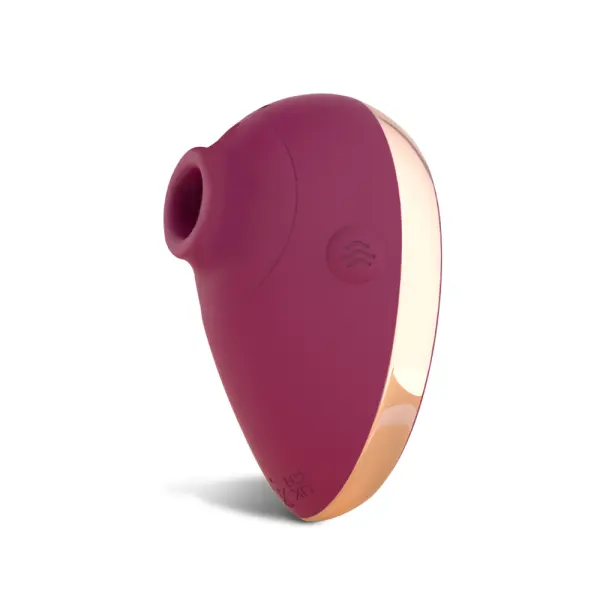
A clitoral suction toy can complement leg-focused intimacy by enhancing overall arousal without shifting focus
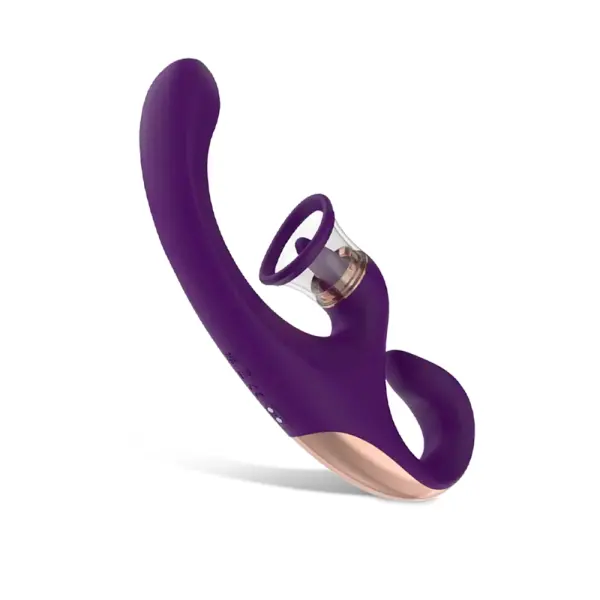
A G-spot vibrator may be integrated into scenarios where positioning emphasizes leg movement or control
Brands like SmoothToy often design beginner-friendly devices that blend discreet design with ergonomic comfort
The key is balance—tools should enhance connection, not replace it.
Final Thoughts: Understanding Desire Without Judgment
A leg fetish isn’t unusual or abnormal—it’s simply one of many ways people experience attraction. When viewed through the lens of biology, psychology, and culture, it becomes clear that this preference is deeply human.
What matters most is how it’s expressed: with respect, communication, and mutual understanding. When those elements are in place, even niche attractions can strengthen intimacy rather than complicate it.
If you ever feel uncertain about your desires or how to explore them, speaking with a qualified therapist or sexual health professional can provide clarity and reassurance.
Yes. Attraction to specific body parts is a recognized and common variation of human sexuality.
No. Many people experience this attraction purely on a visual or emotional level without physical expression.
It can enhance intimacy if communicated openly, but secrecy or misunderstanding may create tension.
Sometimes, but not always. A leg fetish can exist independently from foot or clothing-related preferences.
Start small—focus on appreciation, communication, and comfort rather than intensity.
-
 Quick View
 -
Quick View
-
Quick View
-
Quick View