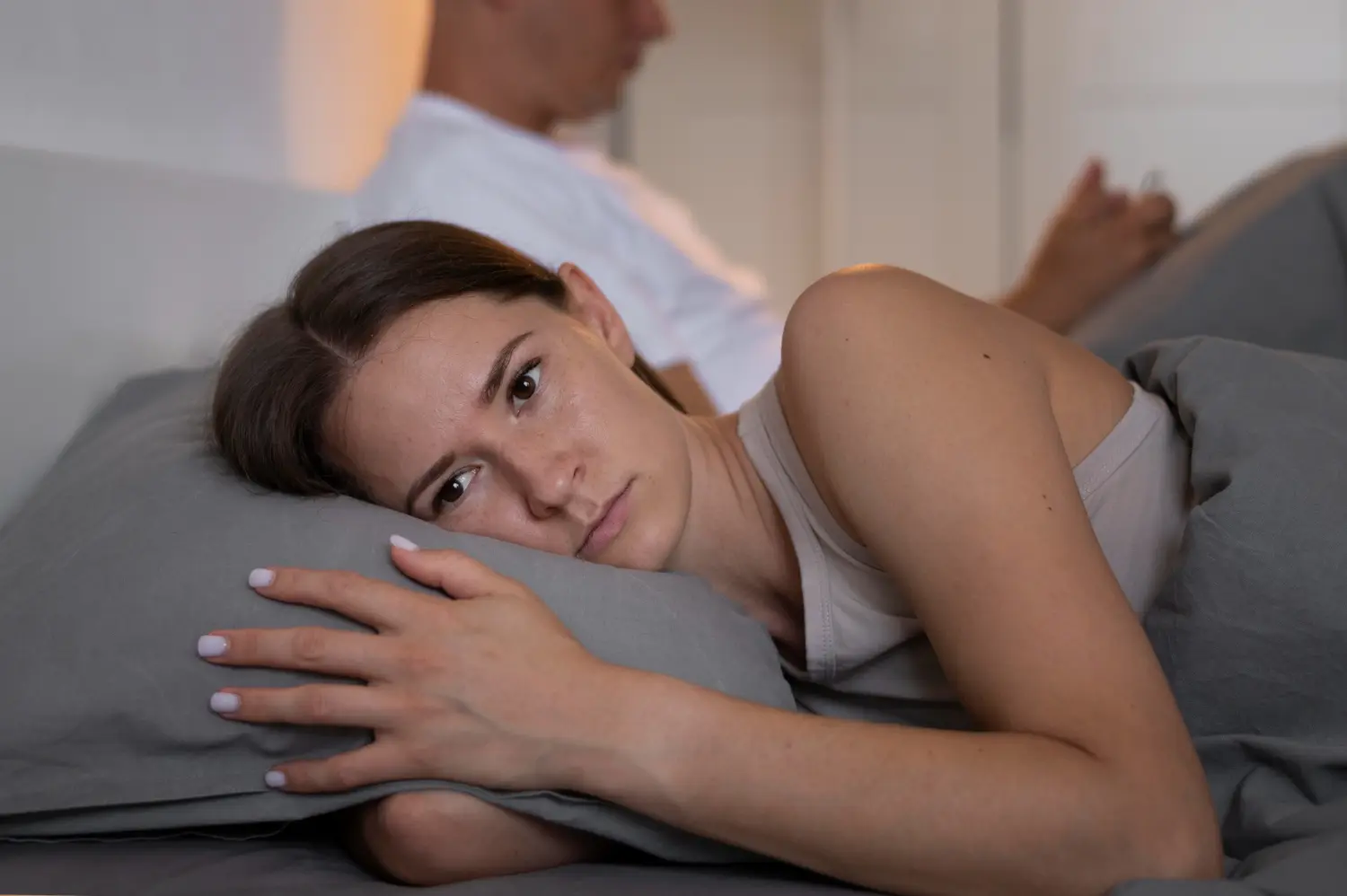
Sexual anxiety can make intimacy feel confusing. You may want closeness, yet your mind starts racing as soon as things feel sexual.
Your body may tense up. You may start checking your appearance, your reactions, your desire, or your partner’s mood.
Pleasure becomes difficult when the moment feels like a test. Instead of feeling present, you feel watched by your own thoughts.
Sexual anxiety does not mean you are broken. It also does not mean your relationship is failing.
Most of the time, it means your body and mind need more safety, patience, and honest communication.
This guide is for adult readers. It offers general sexual wellness information and should not replace medical or mental health advice.
If you want a broader starting point before focusing on anxiety alone, our sexual wellness guide explains how emotional safety, communication, body awareness, and safer pleasure all work together.
What Is Sexual Anxiety?
Sexual anxiety is worry, fear, or tension connected to sex, intimacy, desire, or sexual performance.
It can happen before intimacy, during the moment, or afterward when you replay everything in your head.
For some people, it feels like fear of not being good enough. For others, it feels like shame, body insecurity, or sudden pressure.
Sexual anxiety is not always about performance. Sometimes it comes from trust issues, stress, past embarrassment, or fear of being judged.
You might still want your partner. You might still want closeness. The problem is that your nervous system does not feel relaxed enough to enjoy it.
Common Signs of Sexual Anxiety
Sexual anxiety does not always look dramatic. Many people hide it well, even from someone they love.
One sign is overthinking before intimacy starts. You may worry about how you look, how you smell, how your body will respond, or whether your partner will be satisfied.
Tension can also show up in the body. Your breathing may become shallow, your stomach may feel tight, or your desire may suddenly drop.
Some people avoid sex even when they still want affection. They may enjoy kissing, cuddling, or flirting, then pull away once things feel more direct.
Self-monitoring is another common sign. Instead of enjoying the moment, you keep checking whether you are aroused enough, confident enough, or doing everything right.
Afterward, the anxiety may turn into shame. You might replay the experience and focus only on what felt awkward.
What Causes Sexual Anxiety?

Sexual anxiety rarely has one simple cause. It usually grows from a mix of emotional, physical, and relationship factors.
Fear of Not Being Good Enough
Pressure can turn intimacy into a performance. When you feel tested, your body may respond with tension instead of desire.
This can happen to anyone. Men may worry about erection, stamina, or control. Women may worry about arousal, orgasm, appearance, or whether they seem responsive enough.
The more you try to “perform,” the harder it can be to feel natural.
Body Image Worries
Body image can strongly affect sexual confidence. Concerns about weight, skin, scars, smell, hair, sounds, or natural body reactions may make it hard to relax.
These worries can pull attention away from connection. Instead of feeling your partner’s touch, you start judging yourself from the outside.
That kind of self-checking can make sexual anxiety worse.
Past Embarrassment or Rejection
A hurtful comment can last longer than people realize. Rejection, comparison, teasing, or a bad past experience may make future intimacy feel unsafe.
The body remembers embarrassment. Even when your current partner is kind, old fear can still appear in the moment.
Healing usually takes patience. It also takes a partner who understands that trust is built slowly.
Stress and Exhaustion
Stress can drain desire before intimacy even begins. Work pressure, poor sleep, money worries, parenting, or emotional burnout can all affect sexual confidence.
When your mind is overloaded, sex may feel like one more demand. That does not mean attraction is gone.
It may simply mean your body needs rest before it can feel open again.
Relationship Tension
Unresolved conflict can make intimacy feel risky. If you feel criticized, ignored, rushed, or emotionally distant, your body may protect itself.
Trust matters. So do tone, timing, and how safe you feel when you say no, slow down, or ask for reassurance.
Couples who struggle here may benefit from learning why sexual positions matter for couples, because comfort and connection often matter more than performance.
Physical Health Factors
Physical health can affect intimacy too. Pain, erectile difficulties, vaginal dryness, medication side effects, menopause, depression, or anxiety disorders may lower confidence and desire.
Medical issues should not be ignored. If symptoms are ongoing, painful, or distressing, speaking with a doctor can help rule out physical causes.
Sexual Anxiety vs Low Desire
Low desire and sexual anxiety can look similar, but they are not the same.
Low desire often sounds like: “I do not really want sex right now.”
Sexual anxiety often sounds like: “I want closeness, but I am scared I will not feel safe, relaxed, or good enough.”
The two can overlap. Anxiety can reduce desire, and low desire can create more worry if someone feels guilty or pressured.
This difference matters. The answer is not always to try harder.
Sometimes the real need is less pressure, more emotional safety, and better communication.
How Sexual Anxiety Affects a Relationship

Sexual anxiety can quietly change the rhythm of a relationship.
One partner may start avoiding intimacy. The other may feel rejected, unwanted, or confused.
This creates a painful loop. The anxious partner feels more pressure, while the other partner may ask for reassurance in ways that feel demanding.
Over time, both people may stop talking honestly. Sex becomes a sensitive topic, then a source of tension.
That is why sexual anxiety should not be treated as a private failure. In many relationships, it becomes a shared communication issue.
A helpful first step is learning how to talk about sex before silence turns into resentment.
How to Talk to Your Partner About Sexual Anxiety
The best conversation usually happens outside the bedroom. Talking during a tense moment can make both people feel defensive.
Start with care, not blame. You are not accusing your partner. You are explaining what happens inside you.
You might say:
“I want to feel close to you, but sometimes I get anxious and start overthinking. I need us to slow down so intimacy feels safer.”
You could also say:
“When I pull away, it does not mean I do not want you. I get in my head, and I need more reassurance and less pressure.”
Keep the focus on teamwork. Sexual anxiety improves more easily when both people stop treating sex like a performance review.
How to Feel Safe Again During Intimacy
Feeling safe again does not mean forcing yourself to be fearless. It means creating conditions where your body can relax.
Slow down before things become sexual. Rushing can make anxiety louder, especially if you already feel pressure to respond quickly.
Comfort should matter more than performance. Instead of asking, “Am I doing enough?” try asking, “Do I feel present and respected?”
Boundaries help too. Talk about what feels good, what feels too fast, and what should stop if anxiety rises.
Intimacy outside the bedroom also matters. Affection, compliments, relaxed touch, and honest conversation can rebuild safety without pressure.
When anxiety appears, pause instead of pretending. A simple “Can we slow down?” can protect the moment from becoming overwhelming.
Can Sex Toys Help With Sexual Anxiety?
Sex toys do not cure sexual anxiety. They should never be used to pressure someone into performing or fixing a partner.
Used with consent and patience, they can help some couples shift attention away from performance.
The focus becomes shared exploration, not proving anything.
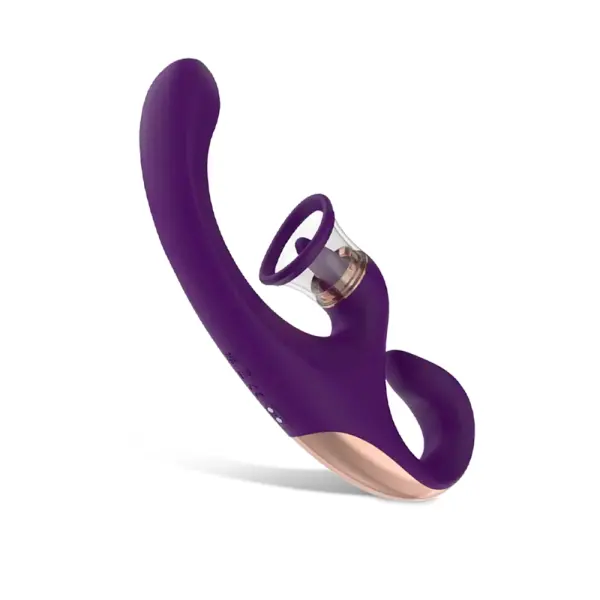
For anxious beginners, the best choice is usually simple, quiet, easy to clean, and not visually intimidating.
If you are new to this topic, a guide on buying your first sex toy can help you choose with less pressure.
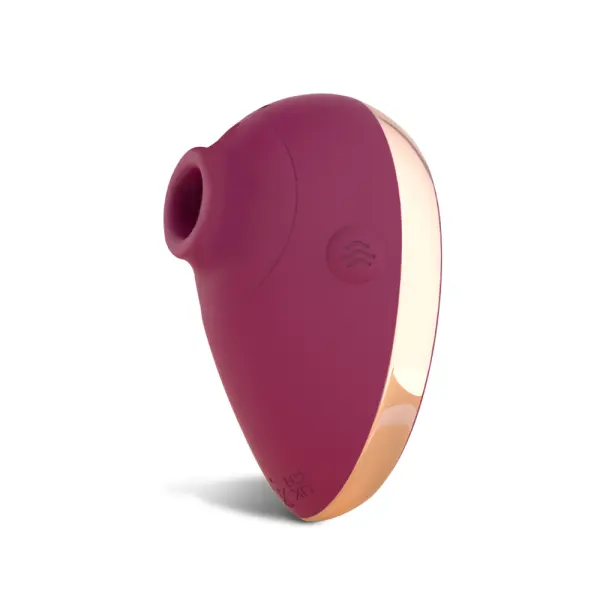
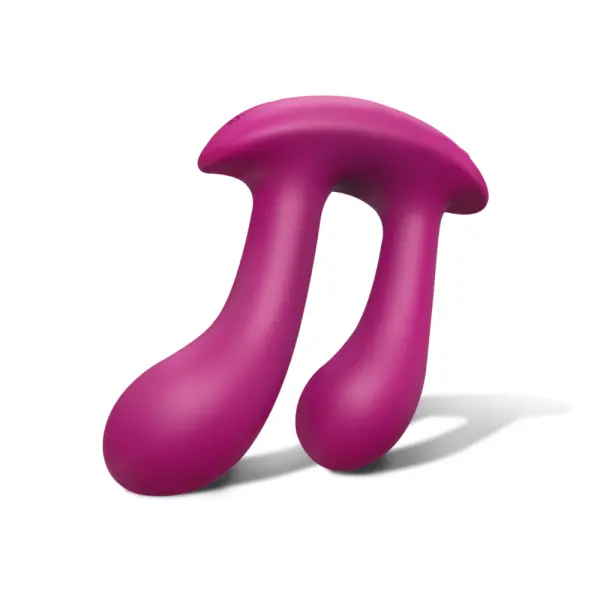
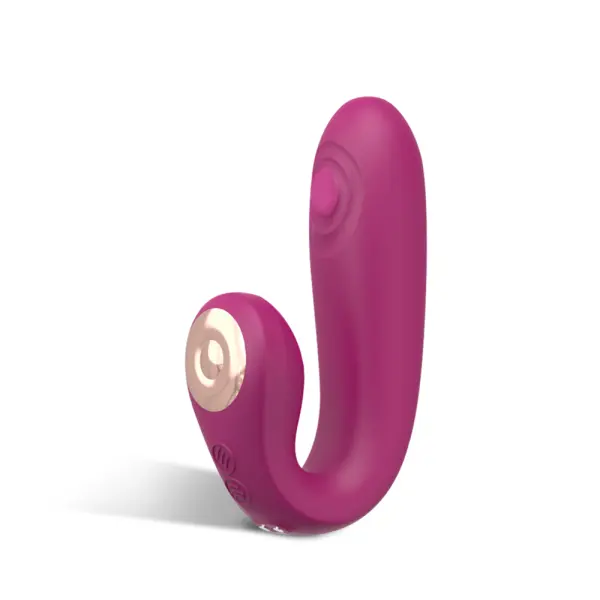
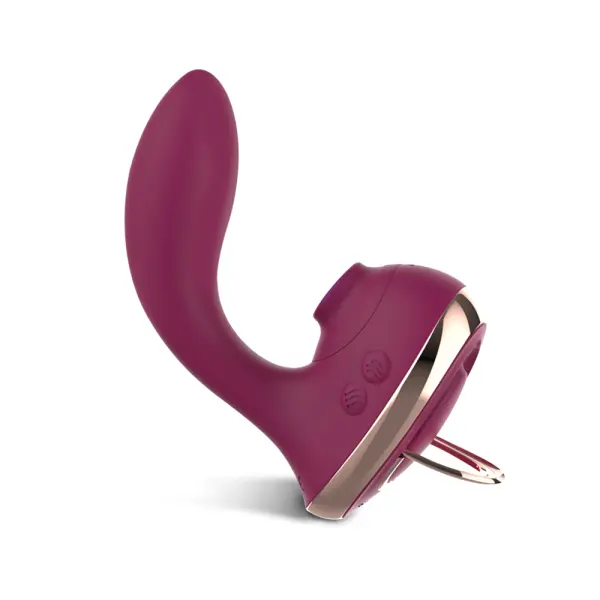
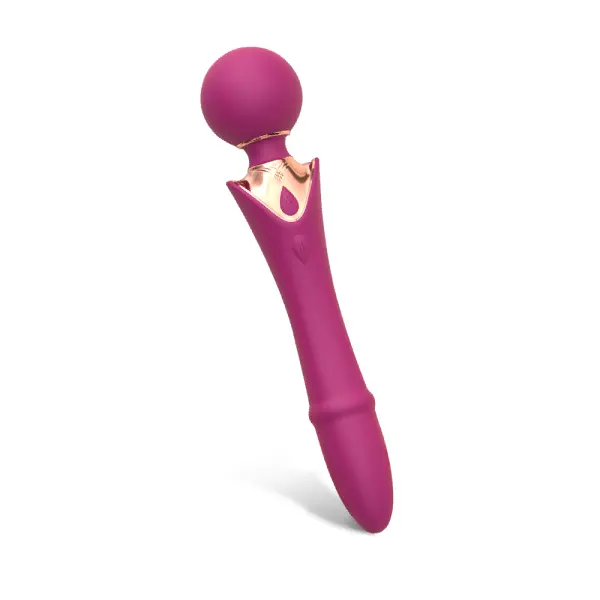
A couples-friendly vibrator may help partners explore sensation together without putting all pressure on one person’s body.
For people who worry about sound or privacy, a quiet sex toy for private moments may feel easier to introduce.
The key is consent. If a toy adds pressure, stop. If it creates curiosity, comfort, and communication, it may support a healthier intimate routine.
What Not to Do When You Have Sexual Anxiety
Forcing yourself through intimacy just to avoid disappointing someone can make sexual anxiety worse over time.
Pretending to feel comfortable may also create more pressure. If your body feels tense or unsafe, it is better to slow down than to perform confidence.
Blaming your partner without explaining your experience can lead to confusion. They may not understand what is happening unless you give them honest context.
Porn, social media, and exaggerated stories can also distort expectations. Comparing your sex life to those images often adds pressure instead of confidence.
Sexual anxiety is not proof that you are unattractive, broken, or unable to enjoy intimacy. It is a signal that something needs more care, safety, and communication.
When Sexual Anxiety May Need Extra Help
Occasional nervousness is common. Many people feel anxious in new relationships, after long breaks from sex, or during stressful periods.
Extra help may be needed when anxiety causes ongoing avoidance, panic, relationship conflict, pain, shame, or loss of interest that feels distressing.
Support is also important if anxiety connects to trauma, painful sex, erection problems, vaginal dryness, medication changes, or depression.
A doctor can check physical causes. A therapist, couples counselor, or certified sex therapist can help with fear, shame, communication, and pressure.
Seeking help does not mean you failed. It means the issue deserves care instead of silence.
FAQ About Sexual Anxiety
Desire can fade when your nervous system feels pressured or unsafe. You may still be attracted to your partner, but anxiety can make your body tense, distracted, or guarded, which makes arousal harder to access in the moment.
Choose a calm time outside the bedroom and focus on your own experience. You might say, “I want to feel close to you, but sometimes I get anxious and start overthinking. I need us to slow down so intimacy feels safer.”
Yes. Work pressure, poor sleep, money worries, emotional burnout, or relationship tension can all affect sexual confidence and desire. When your mind is overloaded, intimacy may feel like another demand instead of a place to relax.
Pushing through anxiety just to avoid disappointing someone can make the fear stronger over time. It is usually healthier to pause, slow down, or talk about what feels safe instead of pretending to be comfortable.
For some couples, yes. A simple, quiet, beginner-friendly toy may shift the focus from performance to shared exploration, but only when both partners feel curious and comfortable. If it creates more pressure, it is better to stop and talk first.
Final Thoughts
Sexual anxiety can feel lonely, but it is more common than many people admit.
It can affect desire, confidence, arousal, and emotional closeness. Yet it does not mean your body has betrayed you.
The way forward usually starts with safety. Slower pacing, honest language, less pressure, and more care can change the experience.
When intimacy stops feeling like a test, your body has more room to feel curious, relaxed, and connected again.
Sexual anxiety may be part of your story right now, but it does not have to control your entire intimate life.
-
 Quick View
 -
Quick View
-
Quick View
-
Quick View
-
Quick View
-
Quick View