Most couples do not lose intimacy in one dramatic moment. It often fades through small silences, nervous jokes, and conversations that never quite happen. If you are wondering how to talk about sex, the real goal is not a perfect speech. It is a safer first step.
Sex can feel deeply personal, even in a loving relationship. One partner may worry about sounding needy. The other may hear feedback as criticism. So both people stay quiet, hoping the issue will fix itself.
Silence rarely fixes desire, distance, or confusion. It usually makes the next conversation harder. Learning to speak with care can turn an awkward topic into a chance for trust.
Sexual communication is only one part of a healthier intimate life. For a wider framework, SmoothToy’s sexual wellness guide covers consent, emotional safety, body confidence, toy hygiene, and safer pleasure habits.
Why Talking About Sex Feels So Awkward
Talking about sex can feel risky because it touches confidence, shame, body image, rejection, and love all at once. Even a small comment can feel bigger than intended.
Many people grew up hearing that sex should not be discussed openly. Others learned to hide their desires because they feared being judged. Those old messages can follow people into adult relationships.
Some couples also struggle because they use different emotional languages. One person talks directly. The other needs more softness, time, and reassurance before opening up.
This is why talking about sexual boundaries matters. Boundaries are not walls against intimacy. They help both partners understand what feels safe, welcome, and respectful.
The Hidden Cost of Avoiding the Conversation
Avoiding the topic may feel easier in the moment. Over time, though, silence can create stories that are not true.
One partner may think, “They no longer want me.” The other may think, “I can never bring this up without hurting them.” Neither person may be right, but the distance still grows.
Unspoken sexual frustration can also leak into everyday life. Small disagreements become sharper. Affection feels less natural. Rejection starts to feel personal, even when stress or timing is the real issue.
The longer couples avoid the topic, the harder it becomes to separate sexual needs from emotional rejection.
When Is the Right Time to Talk About Sex?
Timing matters. A serious sex conversation should not begin in the middle of an argument, right after rejection, or when one person feels exposed.
Choose a calm moment instead. A walk, a quiet evening, or a relaxed conversation at home can feel less intense than a face-to-face “we need to talk” setup.
Avoid starting the conversation when either of you is exhausted, rushed, embarrassed, or already defensive. The goal is not to win a point. It is to make honesty feel less dangerous.
You might begin with a simple line like, “I want to talk about us in a way that feels kind, not critical.”
Before You Start, Know What You Actually Want to Say
Many sex talks go badly because the person starting them is still unclear. They feel hurt, lonely, bored, rejected, or curious, but everything comes out as blame.
Before speaking, ask yourself what you really want. Do you want more affection? Better communication? More time together? A slower pace? More playfulness? Reassurance?
Clarity makes the conversation safer. Instead of saying, “You never care about sex,” you might say, “I miss feeling close to you, and I want to understand what intimacy feels like for you lately.”
That small shift can change the entire tone.
How to Start the Conversation Without Sounding Critical
The first sentence matters because it tells your partner whether they need to defend themselves.
Try starting with care, not complaint.
You could say:
“I want us to feel closer, not blamed.”
“I’ve been nervous to bring this up, but I care about our intimacy.”
“Can we talk about what helps both of us feel desired?”
“This is not about what you are doing wrong. I want to understand what feels good for both of us.”
These lines lower pressure because they frame the topic as teamwork. Your partner is more likely to listen when they do not feel attacked.
Try to avoid phrases like “you always” or “you never.” Those words turn a conversation into a courtroom.
Talk About Feelings Before Talking About Techniques
Many people jump straight into frequency, positions, performance, or technique. That can make the other person feel evaluated.
Start with the emotional layer first. Talk about closeness, comfort, confidence, and safety. Once that feels stable, practical details become easier to discuss.
For example, say, “I feel more connected when we slow down,” instead of, “You rush everything.”
When both partners feel emotionally safe, it becomes easier to explore topics like why sexual positions matter for couples without making the conversation feel like criticism.
Sexual communication works best when it starts with trust and moves toward details later. Not every intimacy conversation needs to sound clinical. Some couples find it easier to talk about sex as creative expression, where mood, pacing, touch, and curiosity matter more than performing perfectly.
This is especially true when talking about oral sex. A better conversation starts with comfort, consent, pressure, boundaries, and what each partner actually enjoys—not with performance expectations.
Questions That Make Sex Easier to Talk About
Good questions can soften the conversation. They invite your partner to share instead of forcing them to defend.
Try asking:
“What helps you feel desired?”
“Is there anything that makes intimacy feel more relaxed for you?”
“Do you ever feel pressure around sex?”
“What would you like us to do more slowly?”
“Is there anything you have wanted to tell me but felt nervous about?”
“What makes you feel emotionally close before sex?”
These questions work because they are open and gentle. They do not assume something is wrong. They give both partners room to be honest.
How to Talk About Trying Something New
Trying something new should never feel like a surprise test. It should feel like a shared choice.
Instead of suddenly introducing a new idea in the bedroom, talk about curiosity first. Ask how your partner feels about exploring something different. Give them space to say yes, no, or maybe later.
You might say, “I read about something that made me curious, but I only want to talk about it if it feels comfortable for both of us.”
For couples who are curious but nervous, buying your first sex toy can be a useful topic to discuss together. It makes the idea feel practical instead of intimidating.
Some couples prefer to browse couple-friendly sex toys together and talk about what feels approachable. The point is not to pressure anyone into buying. The point is to learn what each person finds comfortable.
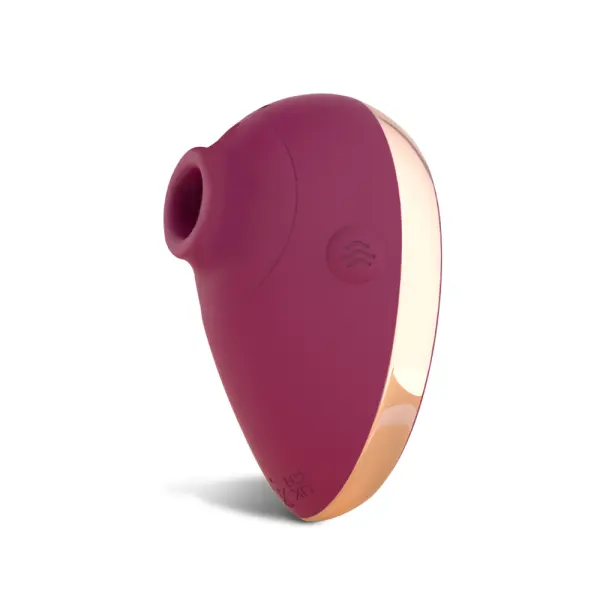
A compact option like Aura Clip may feel less overwhelming for couples who want something simple and discreet.
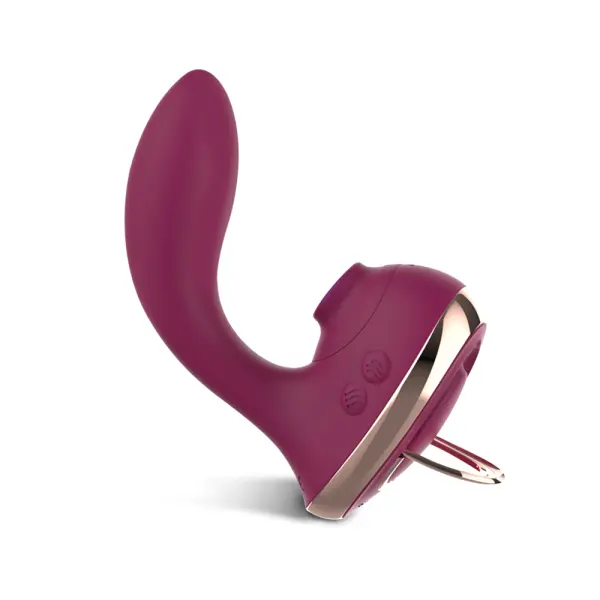
For a softer, more playful discussion, Twin Muse RCT can be mentioned as an example of gentle exploration rather than a performance-focused product.
The healthiest rule is simple: curiosity is welcome, pressure is not.
What Not to Say During a Sex Talk
Some sentences close the door before the conversation even begins.
Avoid saying:
“My ex liked this.”
“Why can’t you just relax?”
“You are too sensitive.”
“We never have good sex anymore.”
“Everyone else does this.”
“If you loved me, you would try it.”
These phrases create shame, comparison, or pressure. Even if your frustration is real, this kind of language can make your partner feel unsafe.
Better language sounds like this:
“I want to understand what feels good for you.”
“I miss feeling playful with you.”
“I would like us to talk about what we both need.”
“I do not want either of us to feel pressured.”
Kindness does not make the conversation weaker. It makes honesty easier to hear.
What If Your Partner Gets Defensive?
Defensiveness does not always mean your partner does not care. Sometimes it means they feel embarrassed, afraid, or not good enough.
If they react strongly, slow down. Do not push harder just because you finally started talking.
You can say, “I am not attacking you. I want this to feel safe for both of us.”
Another useful line is, “We do not have to solve everything tonight. I just want us to understand each other better.”
Taking a pause can help. A difficult conversation does not need to be finished in one sitting.
When the Conversation Reveals a Bigger Problem
Sometimes a sex talk uncovers something deeper than mismatched desire.
Stress, pain, medication, hormonal changes, body image, trauma, resentment, or emotional disconnection can all affect intimacy. These issues are real, and they cannot always be fixed with one conversation.
If sex involves pain, fear, panic, or ongoing distress, professional support may help. A doctor, therapist, or certified sex therapist can offer guidance that a partner cannot provide alone.
Seeking help is not a sign that the relationship has failed. It can be a sign that both people are taking the issue seriously.
Small Habits That Make Future Conversations Easier
The first conversation is often the hardest. After that, sex becomes easier to discuss when it is treated as a normal part of the relationship.
Keep future conversations short and specific. One topic at a time is better than unloading years of frustration in one night.
Notice what is working, not only what is missing. A simple sentence like “I liked how close we felt last night” can build confidence.
Use curiosity more than correction. Ask, “What felt good for you?” instead of “Was that okay?” when the mood feels right.
Sound can be feedback, expression, encouragement, or simple release. If you are unsure how to interpret it, our guide to why women moan during sex explains why asking directly is still better than guessing.
Give your partner time to think. Not everyone can answer intimate questions immediately.
Most importantly, do not turn every sex talk into a serious meeting. Warmth, humor, and patience can keep the topic from feeling heavy.
Final Thoughts
Talking about sex is not a sign that something is broken. It is often a sign that the relationship still matters.
The real danger is not an awkward conversation. The real danger is letting silence become the only language between you.
Learning how to talk about sex can help couples move from guessing to understanding. With care, patience, and honest words, intimacy can become less tense and more connected.
FAQ
Yes. Many people feel awkward because sex is tied to rejection, shame, confidence, and emotional safety. The goal is not to sound perfect. The goal is to speak with care and listen without blame.
Give them time and avoid forcing the conversation. You can say, “I respect that this feels hard, but I do not want us to keep avoiding it.” If avoidance continues, couples therapy may help.
Yes, if both partners feel comfortable. The conversation should focus on curiosity, comfort, privacy, and consent. No one should feel pressured to try something new.
-
 Quick View
 -
Quick View
-
Quick View
-
Quick View
-
Quick View
-
Quick View