Mommy kink can sound confusing the first time you hear it. Some people feel curious. Others feel embarrassed, worried, or unsure whether the fantasy says something unhealthy about them.
In adult intimacy, mommy kink usually does not mean a literal interest in family roles. More often, it describes a consensual dynamic built around care, praise, reassurance, soft control, emotional safety, or nurturing authority.
The word itself can feel taboo. Still, the meaning behind it is often less shocking than people imagine. Many adults are drawn to the feeling of being cared for, guided, wanted, or emotionally held by a trusted partner.
That does not mean every version is healthy. Like any role-based fantasy, mommy kink needs consent, boundaries, emotional clarity, and respect between adults.
This guide explains what mommy kink means, why some people enjoy it, how it differs from mommy issues, and when it may become a red flag.
What Is a Mommy Kink?
Mommy kink is a consensual adult role dynamic where one partner enjoys nurturing, guiding, praising, comforting, or softly taking control.
The other partner may enjoy receiving care, reassurance, attention, direction, or emotional warmth. For some people, the appeal is sexual. For others, it is just as emotional as it is physical.
The “mommy” role is usually symbolic. It may represent softness, confidence, feminine authority, comfort, protection, or the feeling of being safely looked after.
Not everyone uses the word “mommy.” Some people prefer softer language such as “take care of me,” “guide me,” “be gentle with me,” or “tell me I’m doing well.”
Mommy kink can overlap with caregiver kink, praise kink, soft dominance, or mommy dom dynamics. It can also exist outside BDSM completely.
The most important rule is simple: it should only happen between consenting adults. It should never involve minors, real incest, coercion, pressure, or confusion between fantasy and real family relationships.
For a complete overview of safe kink practices, consent, and many other popular kinks, read our full Kink Guide: What is a Kink.
Why Are Some People Drawn to Mommy Kink?
People are drawn to mommy kink for different reasons. The attraction is not always about the word itself. Often, it is about the feeling behind the role.
Some people crave tenderness. They want intimacy to feel safe, warm, and emotionally reassuring instead of performance-focused.
Others enjoy being praised. Hearing gentle approval from a trusted partner can feel deeply intimate, especially for someone who often feels judged, anxious, or pressured.
For people who carry responsibility every day, mommy kink may offer emotional release. They can stop leading, deciding, and managing for a while.
There is also a power element. Some people enjoy being guided by a partner who feels calm, confident, and caring.
For the nurturing partner, the role can feel powerful too. They may enjoy taking the lead in a way that feels sensual, composed, and emotionally connected.
This is why mommy kink should not be reduced to one simple explanation. It can involve care, control, trust, softness, praise, vulnerability, and playful role reversal.
Mommy Kink Is Not the Same as Mommy Issues
Many people worry that having a mommy kink means they must have “mommy issues.” That fear is understandable, but the two are not the same.
Mommy issues usually refer to emotional patterns connected to attachment, childhood needs, family wounds, or unresolved feelings about a mother figure. Mommy kink is an adult fantasy or relationship dynamic.
A person can have mommy kink without trauma. They may simply enjoy praise, nurturing energy, soft control, or being emotionally held by a partner.
The real question is not, “Does this fantasy mean something is wrong with me?” A better question is, “Does this fantasy feel safe, consensual, and healthy in my relationship?”
It may deserve closer attention if the kink creates distress, shame, emotional dependence, or conflict. It may also be a concern if someone expects a partner to act like a parent instead of an equal adult.
Fantasy can be healthy. Emotional replacement can become heavy. The difference matters.
Is Mommy Kink Normal?
Mommy kink can be normal when it happens between consenting adults who understand what they are doing. Many adult fantasies use symbols, roles, power shifts, or emotional themes.
Desire is not always literal. Someone who enjoys a nurturing role dynamic does not necessarily want a real parent-child relationship. They may want softness, praise, care, or a break from control.
Instead of asking whether it is “weird,” ask whether it is safe.
Can both partners say no? Can either person pause the scene? Do both people understand the role is fantasy? Is there respect before, during, and after the interaction?
If the answer is yes, mommy kink may simply be one way a couple explores comfort, power, and trust.
If the answer is no, then the issue is not the kink label. The issue is consent, pressure, or emotional imbalance.
Mommy Kink vs Mommy Dom: Are They the Same?
Mommy kink and mommy dom are related, but they are not always the same.
Mommy kink is the broader term. It may include nurturing language, affection, praise, reassurance, or a caring role. It can be gentle, playful, emotional, or lightly dominant.
Mommy dom is more specific. It usually describes a partner who takes a dominant role with nurturing energy. This may include setting rules, giving direction, offering praise, or controlling the pace of intimacy.
Not every mommy kink includes domination. Some people only want comfort. Others want a stronger power exchange. The intensity depends on the couple.
One person may enjoy being told, “You’re safe with me.” Another may enjoy firmer guidance. Both can exist under the same broad theme, but they need different boundaries.
The more power exchange involved, the more important communication becomes. A soft dynamic still needs clear consent.
What Does a Healthy Mommy Kink Dynamic Look Like?

A healthy mommy kink dynamic feels clear, mutual, and emotionally safe. Both people know what the role means, what it does not mean, and where the limits are.
There is no pressure to perform. No one is forced into language, behavior, or intensity that makes them uncomfortable. The role should feel like shared fantasy, not an obligation.
Healthy dynamics often include simple agreements. Partners may discuss what words feel good, what words feel strange, and what kind of tone they want to avoid.
Some couples prefer nurturing language without the word “mommy.” Others like the label but keep the scene soft and playful. Both options are valid if both partners agree.
A good sign is that both people still feel like equals outside the role. The fantasy may involve care or authority, but the relationship should remain respectful and balanced.
Mommy kink becomes healthier when both partners can laugh, pause, adjust, and talk honestly without shame.
How to Talk About Mommy Kink With Your Partner
Bringing up mommy kink can feel risky because the phrase is easy to misunderstand. The best approach is to explain the feeling before using the label.
Instead of starting with, “I have a mommy kink,” you might say, “I think I’m drawn to feeling cared for, praised, and gently guided during intimacy.”
That gives your partner context. It also makes the conversation less shocking.
Be clear about what you want and what you do not want. You may want more reassurance, softer dominance, nurturing language, or a partner who takes the lead gently.
You may not want anything literal, extreme, or uncomfortable. Saying that early helps prevent confusion.
Choose a calm moment outside sex. Do not introduce the idea suddenly during intimacy and expect your partner to respond perfectly.
Your partner may feel curious, amused, unsure, or uncomfortable. Their response matters too.
If they seem open, start small. Try more praise, a softer tone, or a caring check-in before using any role labels.
Sensitive conversations become easier when both people know they can speak without being judged. For more help with intimate communication, read how to talk about sex.
Boundaries, Consent, and Safe Words Still Matter
Mommy kink may sound soft, but it can still carry emotional intensity. Care, praise, control, and vulnerability can affect people deeply.
Consent should be clear before anything begins. Both partners should know what kind of language is welcome, what feels off-limits, and how to stop if the mood changes.
A safe word or pause phrase can help, even if the dynamic is gentle. It gives both people a simple way to slow down without embarrassment.
Boundaries should include emotional limits too. Some words may feel comforting to one person and upsetting to another. Some people may enjoy praise but dislike being corrected.
No one should be mocked for a limit. No one should be pushed to “just try it” after saying no.
Aftercare can also help. That may mean cuddling, talking, drinking water, sharing what felt good, or confirming that both people are okay.
Good kink does not end when the role ends. The emotional landing matters.
When Mommy Kink May Become Unhealthy
Mommy kink can become unhealthy when it stops being shared fantasy and turns into pressure, dependency, or emotional avoidance.
One warning sign is when a person cannot accept no. If one partner keeps pushing the role after the other feels uncomfortable, the issue is consent.
Another red flag is emotional replacement. A partner should not be expected to become someone’s parent, therapist, or constant emotional caretaker.
It can also become unhealthy if the kink is used to avoid real relationship problems. Fantasy cannot repair poor communication, resentment, insecurity, or lack of trust by itself.
Pay attention if the dynamic leaves someone feeling empty, ashamed, anxious, or emotionally trapped afterward. Pleasure should not create ongoing distress.
There is also a concern if one partner only feels loved inside the role and disconnected outside it. That may point to deeper emotional needs that deserve care beyond kink.
Mommy kink is not automatically harmful. But like any intense fantasy, it should make intimacy feel safer and more honest, not more unstable.
What If Your Partner Has a Mommy Kink and You Don’t?
If your partner tells you they have a mommy kink, you do not have to say yes. Being open-minded does not mean ignoring your own comfort.
Start by asking what the phrase means to them. Some people use the label casually, while others mean a specific role dynamic.
Your partner may not want a full scene. They may only want more praise, more tenderness, or a feeling of being cared for. That may be easier to discuss than the label itself.
You can accept part of the dynamic and reject another part. For example, you might be comfortable giving reassurance but not using the word “mommy.”
You are also allowed to say no completely. A partner’s kink is not your duty.
The healthiest response is honest, not performative. It is better to set a clear boundary than to act out a role you resent.
If the topic creates pressure, worry, or fear of disappointing your partner, sexual anxiety may help you understand those feelings more clearly.
Should Sex Toys Be Part of Mommy Kink?
Sex toys are not the center of mommy kink. The core is usually emotional energy, trust, language, control, care, and comfort.
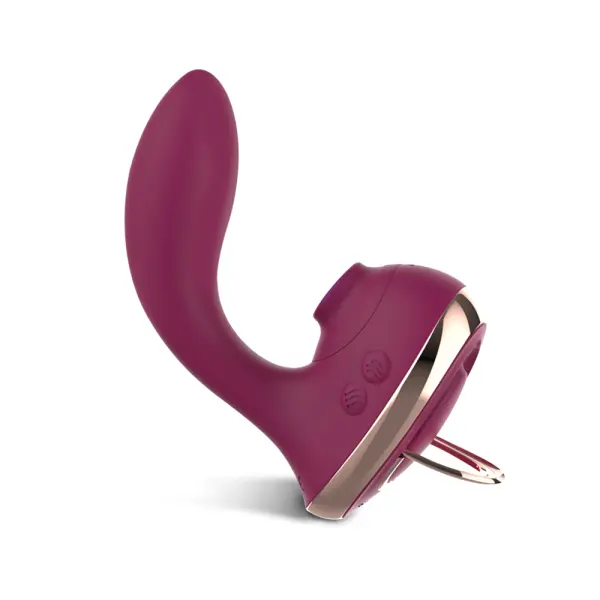
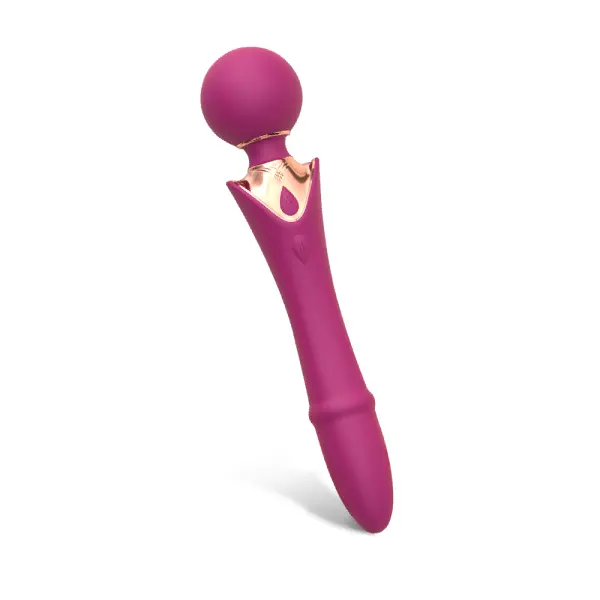
That said, some couples may include toys if they already feel safe with the dynamic. The key is to keep the experience simple and mutually agreed upon.
Do not add too many new elements at once. If a couple is new to roleplay, adding intense language, power exchange, and new toys at the same time can create pressure.
A better approach is gradual. Talk first. Try softer language. Check in. Then decide whether a toy belongs in the experience.
If toys are involved, choose body-safe, easy-to-clean products that do not make the moment feel intimidating. Comfort should come before novelty.
A toy should add to connection. It should not replace consent, communication, or emotional trust.
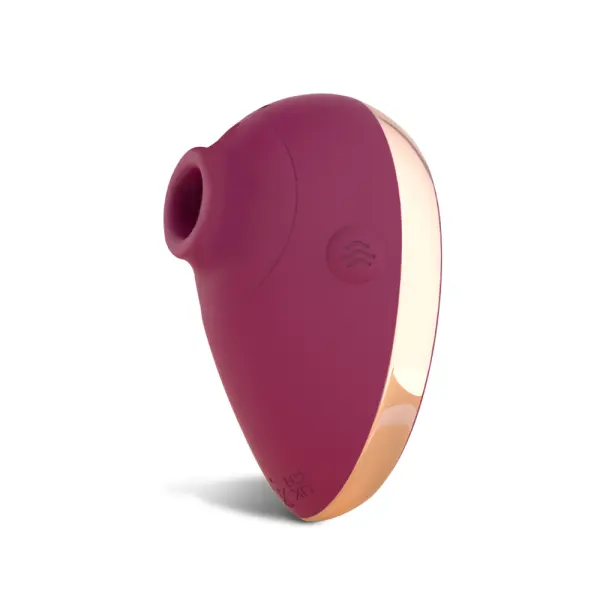
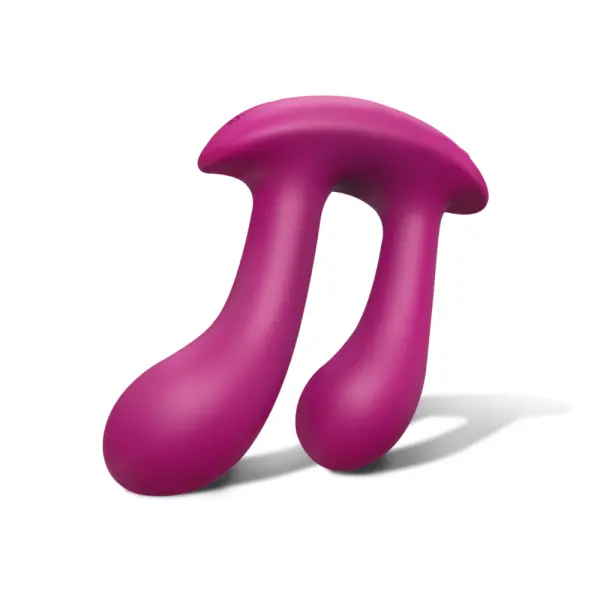
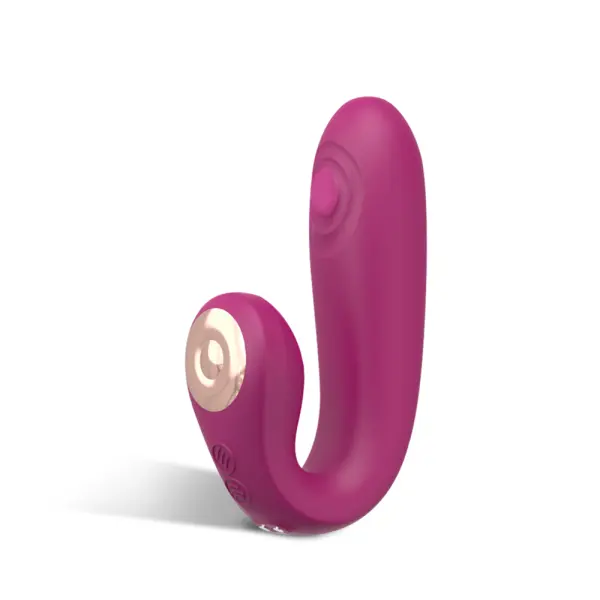
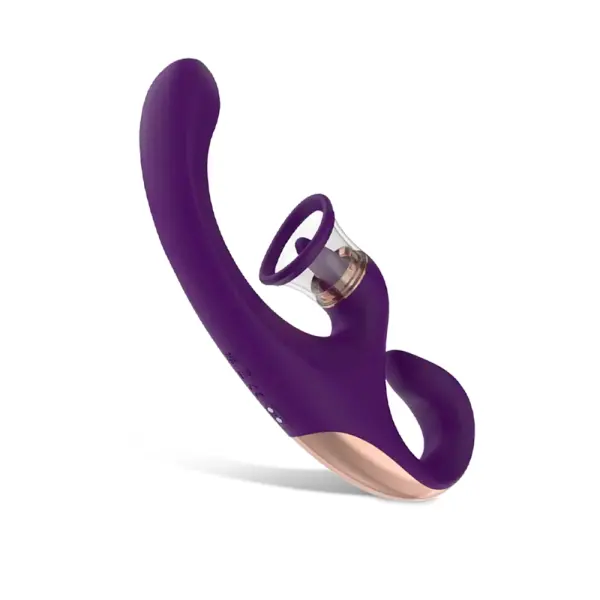
Couples who want a gentle starting point can explore body-safe pleasure products or learn what makes a travel friendly sex toy easier to use with privacy and comfort.
Mommy Kink and Daddy Kink: What’s the Difference?

Mommy kink and daddy kink often belong to the same broader world of caregiver-style adult fantasy. Both can involve care, praise, guidance, protection, or power exchange.
The difference is usually emotional tone.
Daddy kink often leans toward protection, mature authority, structure, praise, or being guided by a confident partner. Your guide to daddy kink explains that dynamic in more detail.
Mommy kink often leans toward nurturing, softness, reassurance, emotional comfort, feminine authority, or being cared for in a warmer way.
Neither kink should involve real incest, minors, coercion, or actual family roles. In healthy adult intimacy, these are symbolic dynamics between consenting adults.
Some people prefer one. Some enjoy both. Others dislike the labels but still enjoy praise, care, or gentle dominance.
The useful question is not which kink is “stranger.” The useful question is what emotional need or fantasy the role is expressing.
Can Mommy Kink Improve Intimacy?
Mommy kink can improve intimacy when it helps partners speak more honestly about care, reassurance, control, and vulnerability.
Many couples struggle to ask for softness. They may want praise, but feel embarrassed. They may want to be cared for, but worry it sounds needy.
A role dynamic can give those needs a container. It can make emotional expression feel playful instead of awkward.
For the nurturing partner, the role may create confidence. They may enjoy taking the lead, setting the mood, or offering comfort in a way that feels sensual and intentional.
For the receiving partner, the role may reduce performance pressure. They can stop trying to be impressive and allow themselves to feel wanted.
Still, the role should not become the only way a couple connects. Healthy intimacy needs care both inside and outside fantasy.
Mommy kink can deepen closeness when it adds honesty. It becomes weaker when it hides real problems.
How to Explore Mommy Kink Without Making It Awkward
Start with the smallest version of the fantasy.
You do not need costumes, scripts, or intense roleplay. Begin with tone, pacing, and language.
One partner might ask, “Would you like more praise?” or “Do you want me to take care of you a little more tonight?” That feels less intimidating than jumping straight into a label.
Discuss words before using them. “Mommy” may feel exciting to one person and uncomfortable to another. No word is required.
Try one element at a time. That might be praise, gentle direction, a caring check-in, or a more nurturing tone.
Afterward, talk briefly. Ask what felt good, what felt strange, and what should change next time.
Awkwardness is not failure. Many intimate conversations feel strange at first because people are being honest in a new way.
The goal is not a perfect performance. The goal is shared comfort.
Common Misunderstandings About Mommy Kink
One common misunderstanding is that mommy kink must be extreme. It does not have to be. Many people experience it as soft, affectionate, and emotionally intimate.
Another misunderstanding is that the receiving partner is weak. Wanting care does not make someone childish or incapable. Adults can enjoy vulnerability while still being responsible people.
Some people also assume the nurturing partner must act like a literal parent. That is not healthy or necessary. The role should stay symbolic and adult.
There is also a belief that kink always reveals trauma. Sometimes fantasies do connect to deeper experiences. Other times, they are simply fantasies.
The safest interpretation is not to shame the desire or blindly romanticize it. Treat it as information.
What does the person want to feel? Safe? Desired? Guided? Praised? Less alone?
Those answers matter more than the label.
FAQ About Mommy Kink
No. Healthy mommy kink is a symbolic adult fantasy between consenting adults. It should never involve real family relationships, minors, coercion, or anything that blurs real-life family boundaries.
Not always. Some versions overlap with soft dominance, caregiver kink, or mommy dom dynamics. Other versions are gentle and emotional, with little or no formal BDSM structure.
It may create a sense of safety, praise, emotional warmth, or relief from control. For some adults, being cared for in a consensual role dynamic can feel intimate and calming.
Final Thoughts: Care, Fantasy, and Consent Can Coexist
Mommy kink can sound taboo, but the meaning is often more emotional than literal. For many adults, it is about care, praise, softness, reassurance, or the relief of being safely guided.
That does not make every version healthy. The difference depends on consent, boundaries, emotional clarity, and respect.
A healthy mommy kink dynamic should feel mutual. It should allow both partners to speak honestly, pause freely, and return to equal adult connection afterward.
Fantasy does not need to be shameful. But it does need to be handled with care.
When mommy kink is explored with trust, communication, and clear limits, it can become less about a shocking label and more about a very human desire: to feel safe, wanted, and understood.
-
 Quick View
 -
Quick View
-
Quick View
-
Quick View
-
Quick View
-
Quick View