Sexuality is diverse, and exploring our desires can lead to deeper self-awareness and more fulfilling relationships. One area often misunderstood or stigmatized is kinks—unique sexual preferences that go beyond traditional norms.
In this article, we will break down what kinks are, how they differ from fetishes, and how to explore them safely. Whether you are curious about your own preferences or want to better understand a partner, this guide provides clear insights while emphasizing safety, communication, and consent.
What is a Kink?
At its core, a kink refers to any non-conventional sexual preference, practice, or fantasy. While “conventional” sex (often termed “vanilla”) typically focuses on genital stimulation and traditional positions, kink expands the horizon of pleasure to include sensory play, power dynamics, and role-playing.
Key characteristics of kink include:
Consensuality: All parties involved agree to the activities.
Intentionality: Participants often engage in specific rituals or “scenes.”
Playfulness: It involves exploring boundaries in a controlled environment.
Kinks and Fetishes: What’s the Difference?
Many people use the terms “kink” and “fetish” interchangeably, but they have important distinctions:
- Kink: A sexual preference or enhancer. It adds excitement but is not required for arousal or satisfaction. You can enjoy kink, but you can also have fulfilling sex without it.
- Fetish: A stronger, often necessary element for sexual arousal. A person with a fetish typically needs the specific object, body part, or scenario present to become fully aroused or reach satisfaction.
Example:
Enjoying foot massages or foot play during sex = kink.
Being unable to become aroused without foot involvement = fetish.
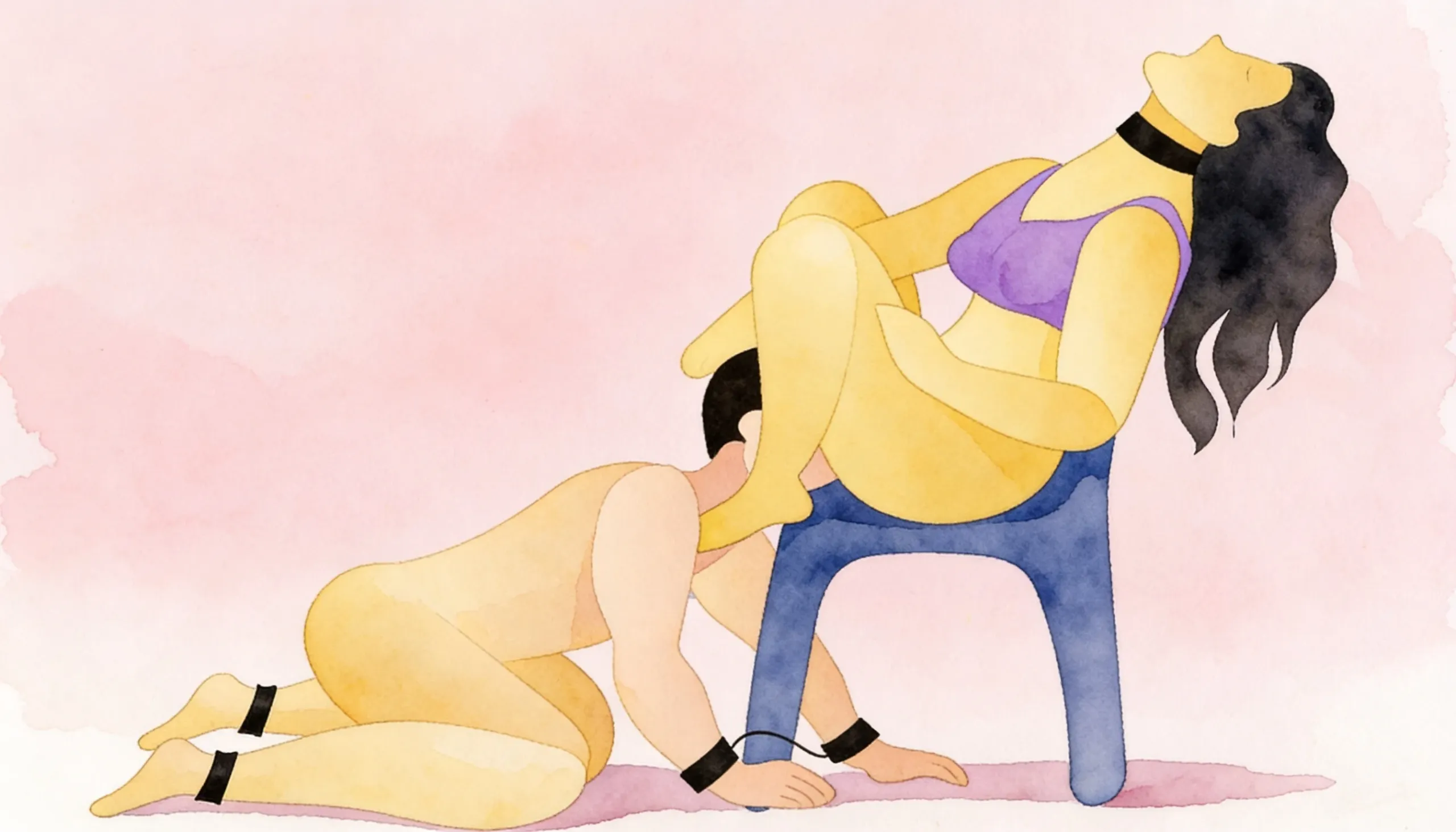
BDSM (Bondage & Discipline, Dominance & Submission, Sadism & Masochism) is a subset of kink that often involves structured power exchange. Not all kinks are BDSM, but many overlap.
Understanding this difference removes shame and helps you communicate your desires more clearly with partners.
Why We Should Talk About Kinks
Open conversations about kinks offer numerous benefits beyond the bedroom:
- Better Communication: Discussing desires and boundaries builds stronger negotiation skills that improve all areas of a relationship.
- Deeper Intimacy & Trust: Sharing vulnerable fantasies fosters emotional closeness and mutual respect.
- Reduced Shame & Anxiety: Normalizing kink helps combat stigma and allows people to embrace their authentic sexuality.
- Enhanced Pleasure & Satisfaction: Exploring kinks can lead to more fulfilling sex lives and greater self-confidence.
- Personal Growth: Many practitioners report improved self-awareness, better emotional regulation, and higher overall well-being.
Despite growing acceptance, silence around kink still creates unnecessary shame. Talking openly — with consent and respect — promotes healthier attitudes toward sexuality in society.

Examples of Kinks
As you’ve learned about what kink is and its difference from fetishes, let’s now move on to the list of common kinks in the sexverse. Read away!
1. Role Play
Role Play is the practice of acting out personas or scenarios to enhance sexual excitement. Common tropes include doctor/patient, teacher/student, or stranger encounters. It allows partners to step outside their everyday identities and explore different facets of their personalities. Effective role play requires “suspension of disbelief” and a shared narrative, making it one of the most creative and accessible forms of kink.
Read more: Sex Role Play Ideas: 42 Scenarios That Improve Intimacy, Desire & Connection
2. BDSM
BDSM is an umbrella term encompassing Bondage & Discipline, Dominance & Submission, and Sadism & Masochism. It is a structured way to explore power exchange and intense physical sensations. The community thrives on the principles of SSC (Safe, Sane, and Consensual). Rather than being about “pain,” it is about the endorphin rush, the deep trust required between partners, and the liberation found in surrendering or taking control.
3. CNC Kink
CNC (Consensual Non-Consent) is a role-play kink where participants simulate force, resistance, or non-consent scenarios while having pre-agreed boundaries and safety measures in place. It allows people to explore taboo fantasies of being “taken” or “overpowered” in a completely controlled environment.
Strong negotiation, safe words (or safe signals), and established trust are non-negotiable. CNC requires deep emotional maturity and extensive aftercare. When done correctly, it provides intense psychological and physical release for those who enjoy power imbalance fantasies.
Read more: CNC Kink Explained: Why So Many Adults Fantasize About Consensual Non-Consent
4. Degrading Kink
Degradation involves the use of insults, “shaming” language, or derogatory roles to create sexual arousal. While it sounds negative, in a kink context, it is a subversion of social status. For the submissive, being “degraded” by someone they trust can lead to a profound sense of ego-loss and catharsis. It is essential that the “degrader” knows exactly which words are exciting and which are genuine personal triggers to avoid emotional harm.
Read more:Degrading Kink: A Beginner’s Guide to Play with Your Partner
5. Orgasm Control
Orgasm control is a kink wherein the person derives arousal from controlling their own or their partner’s orgasm. When doing this kink, the dominant can engage in various activities to make the submissive reach peak, but stopping right at the moment where they’re about to cum. It can also be the opposite, wherein the dominant forces their sub to orgasm.
According to numerous sources, orgasm control prolongs the experience of powerful sexual sensations, increasing the intensity of the orgasm for the recipient.
6. Breeding Kink
Breeding Kink centers on the fantasy of impregnation, creampies, and being “bred.” It often involves dirty talk about getting pregnant, being filled, or claiming ownership through reproduction — regardless of actual fertility or desire to have children.
This kink taps into primal instincts of fertility, possession, and raw sexuality. Many enjoy the risk element and biological intensity. Like all kinks, it requires open communication about boundaries and reliable contraception if pregnancy is not the goal.
Read more: Why Do People Have a Breeding Kink? You’re Not Alone
7. primal play
Primal Play strips away the “civilized” layers of sex, focusing on animalistic behaviors like growling, biting, scenting, and wrestling. It is often less about structured BDSM “rules” and more about raw, instinctive energy. Partners may engage in “predator and prey” dynamics. It provides a unique physical outlet for aggression and passion, allowing individuals to reconnect with their most basic, uninhibited selves.
Read more: Primal Play Kink: Exploring Raw and Prehistoric Sex Dynamics
8. Praise Kink
Praise Kink involves becoming intensely aroused by compliments, encouragement, and positive affirmation during intimate acts. Words like “good girl/boy,” “you’re doing so well,” or “you’re so perfect” become powerful triggers.
This kink often appeals to those who crave validation and approval. It creates a nurturing yet erotic atmosphere and works beautifully in both dominant and submissive dynamics. When delivered genuinely, praise can deepen emotional connection and boost confidence in the bedroom.
Read more: Praise Kink: A Complete, Healthy, and Practical Guide
9. mommy kink
A mommy kink involves sexual arousal from nurturing or dominant maternal role-play, where one partner acts as a caregiver. The dynamic may include discipline, guidance, or comfort, blending authority with affection. This kink explores intimacy, trust, and emotional connection, often emphasizing power exchange in a safe, consensual environment. Boundaries and communication are key to maintaining a healthy experience.
Read more: Mommy Kink: Comforting Fantasy or Emotional Red Flag?
10. Brat Kink
Brat Kink involves playful defiance, teasing, and rule-breaking designed to provoke a dominant partner into “taming” or punishing the brat. It is characterized by cheeky behavior, sass, and mischievous challenges.
The dynamic creates fun tension and allows the submissive to feel pursued and controlled. Successful brat play requires mutual understanding of limits and enthusiastic consent. Many brats enjoy the push-and-pull energy that makes scenes exciting and emotionally charged.
Read more: Brat Kink Explained: Why Some Subs Love Breaking the Rules
11. Cuckolding
Cuckolding involves a person (the cuckold) watching or knowing about their partner having sexual relations with another person (the “Bull”). It explores themes of humiliation, voyeurism, and compersion (feeling joy because your partner is experiencing pleasure). While rooted in historical tropes of emasculation, modern cuckolding is a negotiated fetish that can actually strengthen a couple’s communication and transparency.
Read more: Cuckold Fetish: Why This Fantasy Is So Common
12. Humiliation Kink
Humiliation Kink focuses on erotic embarrassment, shame, or degradation that arouses rather than harms. It may involve verbal humiliation, public play, objectification, or acts that challenge dignity within negotiated scenes.
The psychological thrill comes from surrendering pride and control. Strong consent, safe words, and thorough aftercare are critical because this kink can be emotionally intense. What feels humiliating varies greatly between individuals.
Read more: Why Humiliation Kink Turns Some People On — And How to Do It Safely
13. Age Play
Age Play involves role-playing different age dynamics, often where one partner takes on a younger persona (such as “little” or “middle”) and the other a caring, guiding, or authoritative role. This kink centers on nurturing, dependency, innocence, and caregiving rather than literal age.
Common elements include playful behavior, rules, rewards, and comfort activities. Age Play is purely consensual fantasy between adults and does not reflect real-life desires involving minors. Clear boundaries, safe words, and thorough aftercare are essential. When practiced responsibly, it can fulfill deep emotional needs for care and structure.
14. Daddy Kink
Daddy Kink features a caring yet dominant figure who provides guidance, protection, discipline, and affection. The dynamic often mixes nurturing care with authority and sexual dominance.
Many enjoy the combination of emotional safety and firm control. This kink frequently includes rules, praise, and structure. As with all caregiver/little dynamics, participants must maintain clear adult consent and prioritize emotional aftercare.
Read more: Daddy Kink: Harmless Fantasy or a Sign of Deeper Emotional Needs?
15. Exhibitionism
Exhibitionism is the desire to be seen by others while engaging in sexual acts or being nude. The thrill comes from the risk of being “caught” or the validation of being watched. While “flashers” are the non-consensual version, healthy exhibitionism occurs in “lifestyle” clubs, through online posting, or “edging” on public boundaries where no unwilling bystander is actually involved. It’s about the rush of being the center of erotic attention.
How to Explore Your Kinks Safely
Start slow and build gradually:
1. Self-Reflection: Identify what interests you through fantasy, reading, or solo play.
2. Research Thoroughly: Understand techniques, risks, and best practices.
3.Communicate Openly: Use “Yes/No/Maybe” lists and negotiation scripts with partners.
4. Begin with Low-Risk Activities: Try blindfolds, light spanking, dirty talk, or role-play before advancing.
5. Set Clear Boundaries: Establish safe words (e.g., “Red” = stop, “Yellow” = slow down) and aftercare plans.
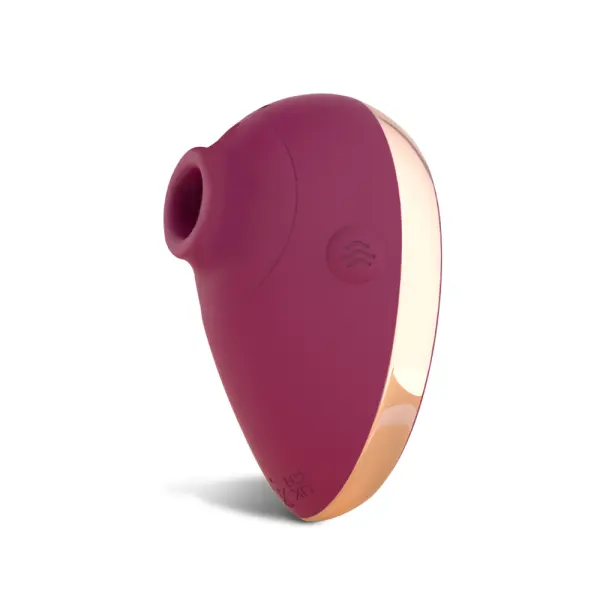
6. Combine with Toys: Beginner-friendly items like soft restraints, feathers, or vibrators can enhance experiences.
Always prioritize education over haste. Progress at a pace comfortable for everyone involved.

Safety, Risks & Mental Health
Physical Safety
- Learn proper techniques (especially for bondage and impact play).
- Monitor circulation, breathing, and consent continuously.
- Keep safety tools (scissors, first-aid kit) nearby.
Mental & Emotional Safety
- Aftercare is essential: cuddling, hydration, reassurance, and debriefing help prevent “sub drop” or “dom drop.”
- Watch for red flags: pressure, ignoring boundaries, or lack of aftercare.
- Sub Drop and Dom Drop are normal temporary emotional responses — address them with care and communication.
If you experience persistent distress, seek support from kink-aware therapists. Prioritizing RACK (Risk-Aware Consensual Kink) ensures informed, responsible play.
Kink in Real Relationships
Integrating kinks into long-term relationships requires trust, honesty, and compromise. Successful approaches include:
- Mutual Exploration: Both partners discuss and consent to activities
- Routine Check-Ins: Assess comfort levels and boundaries regularly
- Balancing Everyday Life & Fantasy: Ensure kink enhances rather than disrupts emotional intimacy
Couples who navigate kinks respectfully often report stronger intimacy, improved sexual satisfaction, and deeper emotional connection.
Conclusion & Call to Action
Kink offers exciting opportunities for pleasure, self-discovery, and deeper connection when practiced with consent, communication, and safety at the forefront.
Remember: There is no rush. Start where you feel comfortable, keep learning, and always prioritize well-being — yours and your partner’s.
Ready to explore responsibly? Browse our carefully selected selection of sex toys suitable for beginners, designed to provide a safe and pleasurable experience, allowing you to confidently begin your journey.
-
 Quick View
 -
Quick View
-
Quick View
-
Quick View