A humiliation kink refers to consensual erotic play where embarrassment, degradation, teasing, or emotional vulnerability becomes sexually exciting. Within BDSM dynamics, humiliation can range from playful teasing to emotionally intense role-play that challenges self-image, control, and exposure. In many relationships, humiliation also overlaps with a praise kink, where affectionate validation, approval, or “good girl/good boy” reinforcement intensifies the emotional contrast between degradation and reassurance.
For many people, the appeal is not cruelty itself but the emotional contradiction behind it. Feeling embarrassed while also feeling desired can create a strong psychological charge. Some submissives enjoy moving between degradation and praise during the same scene, which can heighten vulnerability while still reinforcing emotional safety. According to research discussed by Psychology Today, consensual BDSM dynamics often revolve around trust, negotiated power exchange, and emotional communication rather than genuine harm.
Unlike real humiliation or bullying, consensual degradation exists inside agreed boundaries. Partners intentionally create a controlled environment where vulnerability becomes part of intimacy instead of emotional damage.
For a complete overview of safe kink practices, consent, and many other popular kinks, read our full Kink Guide: What is a Kink.
Why Does a Humiliation Kink Feel So Intense?
A humiliation kink often combines anticipation, fear, validation, and surrender all at once. That emotional layering can make scenes feel more psychologically immersive than purely physical BDSM activities.
Some submissives describe humiliation as emotionally freeing because it temporarily removes pressure to appear composed or socially acceptable. Others enjoy the rush of being watched, judged, or controlled by someone they trust deeply.
At the same time, many dominants find the dynamic emotionally powerful because successful humiliation requires attentiveness and restraint. The goal is not to destroy confidence but to guide vulnerability in a consensual way.
This emotional balance explains why humiliation scenes often feel more intimate than outsiders expect.
How to Talk About a Humiliation Kink Without Misunderstandings
Communication matters more in humiliation play than almost any other BDSM category because language can affect emotional wounds very differently from physical sensation.
Before trying humiliation scenes, many couples benefit from discussing which words feel exciting, which topics feel emotionally unsafe, and what type of tone creates arousal rather than discomfort.
For example, one person may enjoy being called “slut” or “toy” while feeling deeply hurt by comments related to intelligence, body image, or past experiences.
The safest conversations usually move beyond “yes” or “no.” Instead, partners often explain why certain themes feel exciting or difficult. That emotional context helps avoid accidental harm later.
Organizations like Planned Parenthood also emphasize that consent in BDSM should remain informed, enthusiastic, and ongoing throughout play.
How Beginners Can Explore a Humiliation Kink Safely
Many people make the mistake of starting too intensely because online content often portrays humiliation as harsh or extreme. In reality, gradual exploration usually creates more trust and better emotional experiences.
For beginners, subtle embarrassment often works better than aggressive degradation. A dominant partner might introduce teasing comments, playful obedience, or mild power exchange before exploring more emotionally charged scenes.
A first session does not need elaborate role-play. Something as simple as asking permission before touching, kneeling during dirty talk, or receiving teasing praise can already establish the emotional dynamic many people seek.
Short scenes also help beginners process emotional reactions more clearly. Humiliation tends to linger psychologically, so slower pacing gives both partners room to reflect afterward.

The Emotional Difference Between Fantasy and Real Harm
One reason a humiliation kink can feel confusing is that the fantasy intentionally imitates emotional discomfort. However, consensual humiliation and real emotional abuse operate very differently beneath the surface.
In healthy kink dynamics, both people agree to the experience, boundaries remain adjustable, emotional safety matters continuously, and affection still exists underneath the scene.
Real emotional abuse removes agency. Consensual humiliation preserves it.
That distinction becomes especially important when scenes involve sensitive insecurities. Responsible dominants usually avoid weaponizing deeply personal trauma unless extensive trust and explicit consent already exist.
The most sustainable humiliation dynamics rely less on cruelty and more on emotional precision.
Types of Humiliation Kink People Commonly Explore
Humiliation can take many forms depending on the emotional trigger involved, which is why experiences vary so widely from one couple to another.
Verbal Humiliation
This is one of the most common and accessible forms of humiliation play. It can include teasing, embarrassing confessions, degrading nicknames, or obedience-focused dirty talk. For some people, the excitement comes less from the insult itself and more from the emotional vulnerability behind hearing it from a trusted partner.
Physical Degradation
Physical humiliation focuses on actions that create feelings of objectification, exposure, or submissiveness. Some couples explore crawling, leash play, body worship, or being instructed to hold uncomfortable but safe positions during a scene.
The emotional atmosphere often matters more than the action itself. A dominant slowly directing a submissive’s movements, correcting posture, or making them ask permission before touching themselves can feel more psychologically intense than overt punishment.
Service-Based Humiliation
Service humiliation revolves around obedience and usefulness. A submissive partner may prepare drinks, clean, organize items, or perform ritualized tasks while receiving teasing commentary or approval.
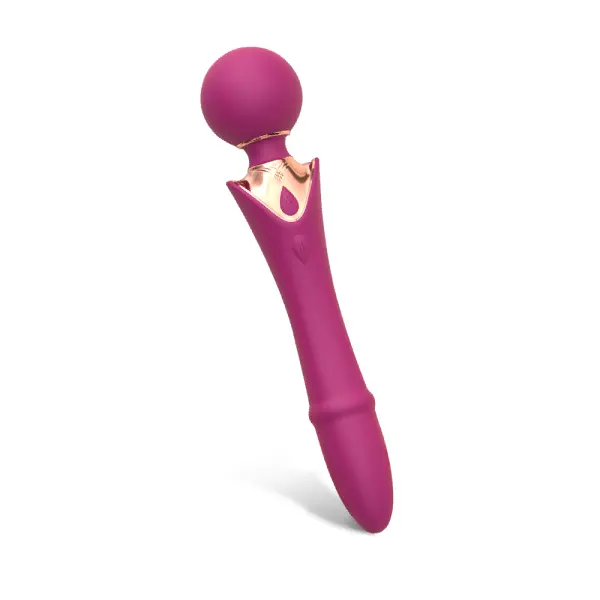
Some couples naturally combine this with sensory play. For example, during longer teasing sessions, wand-style vibrators are sometimes introduced as part of orgasm control or denial. Products with a more elegant aesthetic, such as the Elysium Wand, can fit surprisingly well into these dynamics because they feel less clinical and more theatrical inside a power-exchange scene. Rather than dominating the experience, toys like this tend to work best as background tools that reinforce anticipation, teasing, and control.
Exposure and Performance Play
Exposure-based humiliation focuses on being watched, evaluated, or displayed. For some people, simply maintaining eye contact during intimate tasks feels vulnerable enough. Others may enjoy consensual exhibitionism, wearing discreet symbolic accessories in public, or performing tasks while under observation.
The emotional tension usually comes from anticipation and self-awareness rather than actual public embarrassment.
Body-Focused Humiliation
This category includes consensual teasing related to physical traits, sexual performance, or body image. Because these themes can intersect with real insecurities, experienced BDSM practitioners typically recommend approaching them carefully and discussing boundaries in detail beforehand.
In healthy dynamics, body-focused humiliation often works because the submissive feels emotionally safe enough to temporarily surrender control over those insecurities.
Gender and Role-Reversal Humiliation
Some humiliation kink dynamics involve feminization, masculinity reversal, or role inversion. These scenes may include clothing changes, altered titles, behavioral expectations, or exaggerated power imbalance.
For many people, the intensity comes from temporarily stepping outside everyday identity roles and social expectations rather than the clothing or language alone.

How a Humiliation Kink Connects to Power Exchange
Humiliation often becomes more powerful when combined with dominance and submission. Physical restraint may remove bodily control, but degradation can temporarily challenge identity and self-perception as well.
That deeper emotional exposure explains why many submissives report entering stronger psychological headspaces during humiliation scenes compared to physical BDSM alone.
However, strong power exchange also increases emotional responsibility for the dominant partner. Successful dominants pay close attention to breathing, facial expressions, tone shifts, and body language rather than relying only on safe words.
A submissive becoming unusually quiet, tense, or emotionally distant may indicate genuine overwhelm rather than role-play immersion.
The strongest BDSM dynamics often come from emotional attentiveness, not intensity alone.
Why Aftercare Matters So Much After Humiliation Play
Aftercare becomes especially important after humiliation scenes because emotional vulnerability does not disappear immediately once the role-play ends.
Some submissives experience emotional exhaustion, sadness, irritability, or insecurity after intense scenes. Dominants may also experience guilt, emotional fatigue, or anxiety after pushing psychological boundaries with someone they care about.
Healthy aftercare helps restore emotional equilibrium.
Sometimes that means cuddling quietly. Other times it means discussing what felt exciting, reassuring each other verbally, or simply reconnecting through ordinary affection and conversation.
The exact method matters less than the emotional intention behind it: reminding both people that the degradation belonged to a consensual fantasy rather than the real emotional foundation of the relationship.
Common Mistakes Couples Make With a Humiliation Kink
One of the most common mistakes is assuming harsher automatically means better. In reality, emotional nuance usually creates stronger scenes than shock value alone.
Another issue appears when people imitate extreme online content without understanding negotiation or emotional pacing. Porn often skips the communication, trust-building, and aftercare that make BDSM sustainable in real relationships.
Some couples also underestimate how quickly humiliation tolerance can change. A phrase that felt exciting one month may suddenly feel emotionally uncomfortable later depending on stress, mental health, or relationship dynamics.
For that reason, experienced BDSM practitioners often treat consent as an ongoing conversation rather than a permanent agreement.
Building Long-Term Trust Around Humiliation Play
Long-term humiliation dynamics usually evolve slowly. Partners build trust through repeated experiences where vulnerability is handled carefully and respectfully.
Many couples eventually develop rituals around scenes, including pre-scene negotiations, emotional check-ins, or post-scene discussions about boundaries and reactions.
Over time, this structure can create a surprising sense of emotional security. The submissive learns they can expose vulnerable fantasies safely, while the dominant learns how to lead without crossing emotional lines.
That trust, more than the degradation itself, is often what makes humiliation play feel so emotionally powerful.
Conclusion
A humiliation kink can feel intense because it mixes embarrassment, vulnerability, arousal, and trust into a deeply psychological experience. For some couples, that emotional complexity creates stronger intimacy and communication than more traditional sexual dynamics.
Still, the healthiest experiences usually come from patience rather than escalation. Open negotiation, emotional awareness, and thoughtful aftercare matter far more than extreme language or elaborate scenarios.
When explored carefully, humiliation play can become less about cruelty and more about trust, emotional surrender, and consensual vulnerability. And if scenes begin bringing up genuine distress, unresolved insecurity, or relationship tension, speaking with a kink-aware therapist or sexual health professional may help provide additional support and perspective.
Not necessarily. Research on consensual BDSM suggests many participants maintain healthy relationships and emotional boundaries when communication and consent remain central.
For some couples, yes. Honest conversations about vulnerability and boundaries can improve trust and emotional intimacy over time.
Start small with mild teasing, light obedience, and short scenes. Emotional check-ins before and after the experience usually help beginners feel safer.
No. Some people experience humiliation as emotionally cathartic, psychologically immersive, or connected to power exchange rather than purely sexual stimulation.
In most cases, yes. Emotional reassurance helps both partners reconnect and process intense feelings after vulnerable BDSM experiences.
-
 Quick View
 -
Quick View
-
Quick View
-
Quick View