Table of Contents
What Is Temperature Play?
Temperature play is a form of sensation-focused intimacy that uses heat and cold to stimulate the body in different ways. Instead of relying purely on touch, it introduces contrast—warmth, chill, or sudden shifts between the two—to make even the lightest contact feel more intense.
For some people, that might mean something as simple as an ice cube trailing across the skin. For others, it can involve warm oils, melted wax, or more advanced techniques—often explored as part of broader kinky sex ideas or sensual experimentation. What connects all of these is the idea that temperature changes can heighten awareness and create sensations that feel new, even on familiar parts of the body.
Why Temperature Play Feels So Intense
There’s a reason temperature play stands out even among other forms of sensory exploration. The skin is packed with thermoreceptors—nerve endings specifically designed to detect heat and cold. When those receptors are triggered, the brain reacts quickly, often amplifying the sensation beyond what you’d expect.
That’s why a cool touch can feel sharper than a regular one, or why warmth can spread in a way that feels deeply immersive. Some people are drawn to the slight edge of discomfort, while others simply enjoy the contrast and unpredictability.
There’s also a psychological layer. Because temperature play requires attention and anticipation, it naturally pulls you into the moment. Many people describe it as grounding—your focus narrows to what you’re feeling right now, rather than everything else happening around you.
How Temperature Play Works on the Body
When heat or cold is applied to the skin, it doesn’t just register as “hot” or “cold.” It can trigger a chain reaction—changes in blood flow, muscle tension, and even breathing patterns.
Cold tends to create alertness. It can cause the body to tense slightly, heightening sensitivity. Heat, on the other hand, often feels more diffused. It relaxes muscles and can build gradually, especially when applied slowly.
What makes temperature play particularly interesting is the after-effect. Even after the stimulus is gone, the skin can continue to “remember” the sensation, creating a lingering awareness that adds to the overall experience.

How to Start Temperature Play Without Overthinking It
A lot of people assume they need special tools or experience to try temperature play, but that’s not really the case. The simplest versions are often the most effective.
You might start by noticing the difference between warm hands and cool breath, or by introducing something small like an ice cube during foreplay. Even slight changes—like using a slightly warmed oil instead of room-temperature touch—can shift how things feel.
The key is to move slowly and pay attention. Temperature play isn’t about intensity right away; it’s about contrast and curiosity. When you treat it that way, it naturally becomes more intuitive.
Exploring Cold: Why It Feels Sharper Than You Expect
Cold sensations tend to be more immediate. They create a kind of crisp, almost electric feeling on the skin, especially in areas with more nerve endings.
Ice is the most common starting point, but the way you use it matters. Direct contact straight from the freezer can feel too intense, so letting it soften slightly or warming the surface briefly under water makes it easier to control.
Some people enjoy combining cold with other forms of touch—like holding ice in the mouth during oral stimulation—because it creates an unexpected contrast. What’s normally warm suddenly feels cool, which can completely change the experience.
Exploring Heat: Slow, Building Sensation
Heat works differently. Instead of a sharp reaction, it tends to build gradually, spreading across the skin. That’s part of what makes it feel more immersive.
Warm oils, body heat, or even just breath can create subtle warmth. As you become more comfortable, some people explore wax play, where melted wax is dripped onto the skin. The sensation depends on both the temperature and the distance it travels, which gives you a surprising amount of control.
That said, heat requires more awareness than cold. It’s easier to go too far too quickly, so checking in—both with yourself and your partner—makes a big difference.
Temperature Play and Safety: What Actually Matters
Temperature play doesn’t have to be risky, but it does require attention. Most issues come from moving too fast or not paying attention to how the body is responding.
A few simple habits go a long way:
- testing temperature before applying it
- avoiding delicate areas until you’re more experienced
- communicating clearly, even during the moment
For anything involving heat, it’s also worth thinking ahead—having water nearby, being aware of surroundings, and avoiding materials that could react unpredictably.

Why Combining Hot and Cold Changes Everything
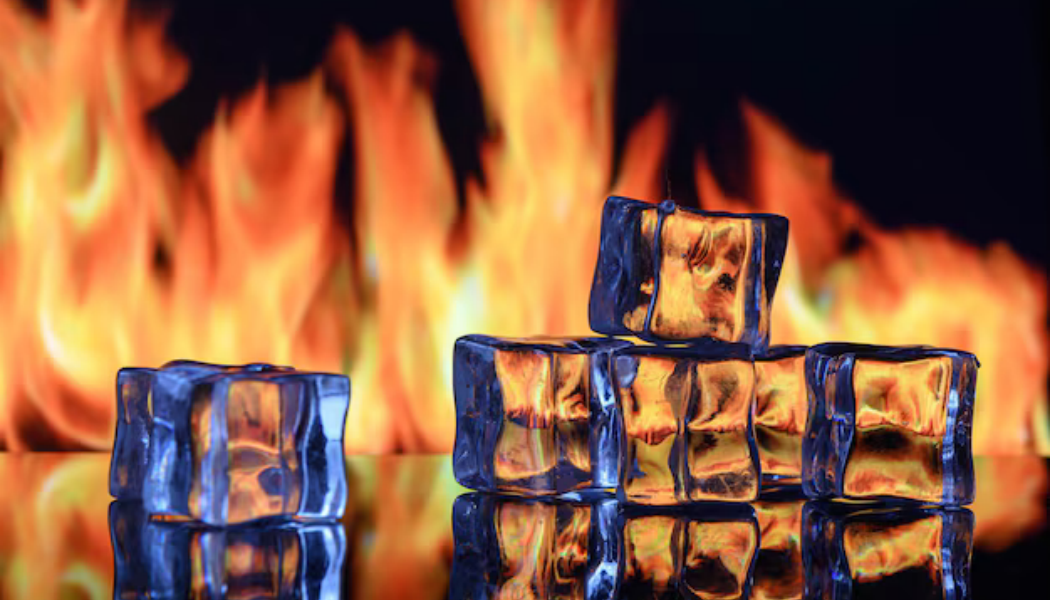
If there’s one thing that takes temperature play to another level, it’s contrast. Moving between heat and cold creates a kind of sensory “reset,” where each new sensation feels stronger because of what came before it.
For example, cooling the skin after warmth can make the cold feel sharper than it normally would. The reverse is also true—heat after cold can feel deeper and more enveloping.
This isn’t about intensity for its own sake. It’s about layering sensations in a way that keeps the body engaged and slightly off-balance, in a good way.
The Psychological Side of Temperature Play
Beyond the physical sensations, temperature play often has a strong mental effect. Because it’s unpredictable, it naturally creates anticipation. You don’t always know what’s coming next, and that uncertainty can heighten the experience.
For people who enjoy power dynamics, it can also become a way of exploring control and trust. Even in more casual settings, though, it tends to deepen connection simply because it requires attention and responsiveness from both sides.
Aftercare and Coming Back to Baseline
After intense sensory experiences, the body doesn’t always settle immediately. That’s where aftercare comes in—not as a formal step, but as a way of easing back into a neutral state.
Warmth, hydration, and simple reassurance can make a noticeable difference. Even something as small as wrapping up in a blanket or slowing down together helps the body recalibrate.
Final Thoughts
Temperature play is one of those rare experiences that can be both simple and deeply nuanced. It doesn’t require much to get started, but it offers a surprising amount of depth if you choose to explore it further.
What makes it stand out isn’t just the physical sensation—it’s the way it shifts your attention, changes familiar experiences, and creates something that feels both controlled and unpredictable at the same time.
As with anything involving the body, it’s worth staying aware of your limits and adjusting as you go. If you’re experimenting with more advanced techniques or have specific health concerns, getting informed or speaking with a professional is always a smart move.
Yes, especially when starting with mild cold or warmth. The key is to go slowly and stay aware of how your body responds.
Areas like the neck, inner thighs, and chest tend to be more sensitive, but it varies from person to person.
It can be if extremes are used without care. Staying within controlled ranges keeps it safe.
Not at all. Many people start with everyday items before exploring more specialized tools.
-
 Quick View
 -
Quick View
-
Quick View
-
Quick View