Sexual Cleanliness Obsession: Is Your Fear of Being Dirty Quietly Killing Intimacy?

Couple in a bright bedroom after shower, showing intimacy hesitation linked to sexual cleanliness obsession and hygiene anxiety

Sexual Cleanliness Obsession: Is Your Fear of Being Dirty Quietly Killing Intimacy?

Sexual cleanliness obsession rarely starts as something obvious. For many people, it begins as a normal wish to feel fresh before sex. You shower, change the sheets, wash your hands, and make sure the space feels comfortable.

None of that is strange. In fact, good hygiene can make intimacy feel safer and more relaxed.

The problem begins when “clean” stops feeling like a reasonable standard and turns into a moving target. You clean, but your mind still says something is wrong. You check again, wash again, ask again, and still cannot settle.

At that point, sex may no longer feel like pleasure. It can start to feel like a situation that needs to be controlled.

Table of Contents

What Is Sexual Cleanliness Obsession?

Sexual cleanliness obsession is not a formal diagnosis by itself. It is a way to describe intense worry around feeling dirty, contaminated, unsafe, or physically “wrong” during sexual intimacy.

For one person, those details may feel intimate and natural. For another, they may feel messy, risky, or overwhelming.

That reaction does not always come from logic. Sometimes it comes from old messages about sex being dirty. Sometimes it comes from anxiety about health, infection, smell, or being judged.

Past experiences can also make the body more alert during intimacy, even when the current partner is safe and respectful.

This is why sexual cleanliness obsession can feel so confusing. A person may want closeness, but once intimacy begins, their mind starts looking for danger.

When Hygiene Stops Feeling Helpful

Healthy hygiene should support intimacy, not control it. For a broader look at how cleanliness, anxiety, consent, and body comfort fit together, see our adult sexual wellness guide.

Good hygiene has a clear purpose. You wash your hands. You clean a toy. You use fresh towels. Then you move on.

Fear-driven hygiene feels different. It does not really end.

You may shower and still wonder if you should shower again. You may clean a toy properly, then inspect it until the mood is gone. You may know your partner is clean, but still feel uncomfortable until they repeat a routine.

The habit may look practical from the outside, but inside it feels urgent. There is pressure behind it.

That pressure is usually the warning sign. Cleanliness should support intimacy, not become the gatekeeper for it.

Signs Sexual Cleanliness Obsession May Be Affecting You

This pattern can show up quietly. You may avoid sex because the preparation feels exhausting. You may feel tense if the bed is not freshly changed, even when there is no real hygiene issue.

During intimacy, your attention may drift away from touch and toward questions: Does something smell wrong? Are my hands clean? Is this safe? What if fluid touches the sheets? What if I need to clean up immediately?

After sex, you may feel unable to stay close. Instead of resting together, you feel pulled toward the bathroom, the laundry, or another round of checking.

Some people also avoid specific types of intimacy because they feel too messy. Oral sex, certain positions, lubricants, or sex toys may bring up more anxiety than desire.

The issue is not having preferences. The issue is when fear starts making the rules.

The Difference Between Preference and Obsession

Couple lying apart in bed with emotional distance, showing the relationship strain caused by sexual cleanliness obsession

A preference has flexibility. An obsession does not.

Someone with a hygiene preference may say, “I feel better when we shower first,” but they can still handle small changes. Maybe the timing is not perfect. Maybe the sheets are clean enough. Maybe the mood matters more than one extra step.

Sexual cleanliness obsession leaves less room for that kind of flexibility. One missing step can make the whole experience feel unsafe.

That is why it can become so frustrating for both partners. The anxious person may feel trapped by their own standards. The other partner may feel like they are constantly failing an invisible test.

No one has to be cruel for this pattern to hurt.

The Hidden Fear Behind “I Just Want Things Clean”

“I just like things clean” may be true, but sometimes it is not the full story.

Under the surface, there may be fear of infection, fear of body fluids, fear of being disgusting, fear of losing control, or fear of being judged by a partner.

Cleaning gives that fear something to do. It creates a short burst of relief. For a moment, the mind feels calmer.

But when the fear keeps returning, the cleaning routine can become part of the problem. The brain starts learning that intimacy is dangerous unless every rule is followed.

Over time, the rules may become stricter, not because the risk is higher, but because the anxiety is louder.

STI Anxiety and Sexual Cleanliness Obsession

It is reasonable to care about STIs. Sexual health should never be dismissed, and real symptoms or real exposure risks deserve proper medical attention.

But repeated washing is not the same as real protection.

Practical sexual health usually comes from clearer tools: testing, honest conversations with partners, condoms or barriers when appropriate, vaccines when relevant, and medical advice when something feels wrong.

Cleaning your body after sex may help you feel fresh. It cannot replace testing, protection, or professional guidance.

This distinction matters because sexual cleanliness obsession often turns hygiene into a substitute for certainty. The mind wants a guarantee. Real life rarely offers one.

A healthier question is not, “Did I clean enough to make all risk disappear?” It is, “Did I handle the real risk in a sensible way?”

How It Can Damage Intimacy

Sexual cleanliness obsession can slowly change the emotional tone of a relationship.

At first, a partner may try to be understanding. They may shower again, change the sheets, pause the moment, or reassure you that everything is fine.

But if the pattern keeps repeating, the meaning can shift. They may begin to feel rejected, judged, or treated like a source of contamination.

A request such as “Can you wash again?” may sound simple to the person asking. To the partner, it may feel like, “Your body is the problem.”

Leaving the bed immediately after sex can also hurt, even if the reason is anxiety. The other person may have wanted closeness, warmth, or aftercare. Instead, they are left with silence and cleanup.

That is how a private fear can become a relationship issue.

Talking About It Without Blaming Your Partner

This conversation should happen when nobody is naked, rushed, or already hurt.

Do not wait until the middle of sex to explain the fear. Do not bring it up as a criticism after your partner has done something that triggered you.

Start with ownership. You might say, “I sometimes get anxious about cleanliness during intimacy, and I’m trying to understand it better.” That lands very differently from, “You need to be cleaner.”

The goal is not to make your partner responsible for every anxious thought. It is to help them understand what is happening without making them feel dirty or unwanted.

It also helps to ask how the pattern feels for them. If they have been feeling rejected, embarrassed, or confused, that deserves space too.

Building a Simple Hygiene Routine

A simple routine can be useful, especially if anxiety tends to grow when things feel uncertain.

Before intimacy, wash your hands. Use clean towels or bedding if that helps both partners feel comfortable. If toys are involved, clean them according to the product instructions before and after use.

After sex, gentle washing is usually enough. Harsh scrubbing, strong products, or repeated cleansing can irritate sensitive skin and make the body feel worse.

The routine should be clear, short, and realistic. It should not keep expanding every time anxiety appears.

Think of it as a boundary, not a ritual. Once the agreed steps are done, the goal is to return to connection.

Do Not Keep Adding “One More Step”

Uncomfortable couple sitting apart in bed, representing how sexual cleanliness obsession can create tension and intimacy anxiety

Anxiety often bargains in small steps.

One more rinse. One more check. One more question. One more search online. One more product to make everything feel safe.

The problem is that “one more” rarely stays as one.

Soon, intimacy becomes surrounded by rules. The rules may feel protective, but they can also make sex feel fragile and stressful.

That does not mean you should ignore hygiene. It means you should avoid letting anxiety rewrite the routine every time it speaks.

A stable, simple routine is often more helpful than a perfect one.

When Sex Toys Are Part of the Worry

Sex toys can bring extra comfort for some people and extra anxiety for others. It depends on the toy, the material, and the care routine.

A body-safe toy with clear cleaning instructions is easier to manage than a product with unknown materials or complicated surfaces. Waterproof designs may also feel simpler because cleaning is more straightforward.

Storage matters too. A toy that is cleaned, dried, and kept in a separate pouch or box is less likely to trigger worry than one left loose in a drawer.

For people with cleanliness anxiety, fewer well-chosen products may feel better than a large collection.

This is also where internal links can fit naturally. You can link readers to how to clean sex toys safely or beginner-friendly sex toys without making the article feel promotional.

Product Hygiene Should Feel Manageable

Sex toy hygiene does not need to become a long ritual.

Clean the toy before and after use. Follow the brand’s instructions. Let it dry fully before storing it. Keep it away from dust, heat, and direct contact with other materials.

If the surface becomes cracked, sticky, rough, or difficult to clean, replace it.

These steps are usually enough for normal use.

If you keep cleaning long after the toy is already clean, pause and ask what you are really trying to remove. Is it residue, or is it anxiety?

That question can be uncomfortable, but it is often useful.

What Not to Do

Do not use harsh disinfectants on intimate skin. Do not scrub until the area feels sore. Do not rely on aggressive internal cleansing to feel “pure” after sex.

Those habits can irritate the body and make anxiety worse.

Also, avoid turning your partner into the symbol of the fear. If the real issue is anxiety, shame, or fear of contamination, blaming their body will only create distance.

Most importantly, do not shame yourself for struggling with this. Shame makes the topic harder to discuss, and silence usually gives the fear more power.

When to Seek Support

It may be time to seek support if cleanliness worries are affecting your sex life, relationship, sleep, mood, or daily routine.

Support can also help if you feel stuck in repeated washing, checking, avoidance, or reassurance-seeking.

A therapist can help you explore whether the pattern is linked to anxiety, shame, trauma, OCD-related symptoms, or relationship stress. A medical professional can help if there are real symptoms, STI concerns, irritation, pain, discharge, or infection worries.

Getting help does not mean you are careless or broken. It means the fear deserves attention before it takes up more space in your life.

Clean Sex Does Not Mean Perfect Sex

Clean sex is not sterile sex.

It does not mean removing every scent, every fluid, every trace of the body, or every moment of uncertainty.

Healthy intimacy has room for real bodies. It can still include hygiene, protection, communication, and care. Those things are important.

But sex also includes warmth, closeness, texture, and imperfection.

When cleanliness helps you feel safe, it is useful. When it prevents you from feeling anything else, it may be time to rethink the role it plays.

Final Thoughts

Sexual cleanliness obsession can make intimacy feel like something to prepare for, monitor, and recover from, instead of something to share.

Wanting to be clean is normal. Needing perfect cleanliness before you can feel desire is different.

The goal is not to abandon hygiene. The goal is to build a simple routine, manage real risks, and stop treating every natural part of sex as a threat.

Sex does not have to feel spotless to feel safe.

Sometimes the most intimate shift is learning that clean enough really can be enough.

  • Quick View
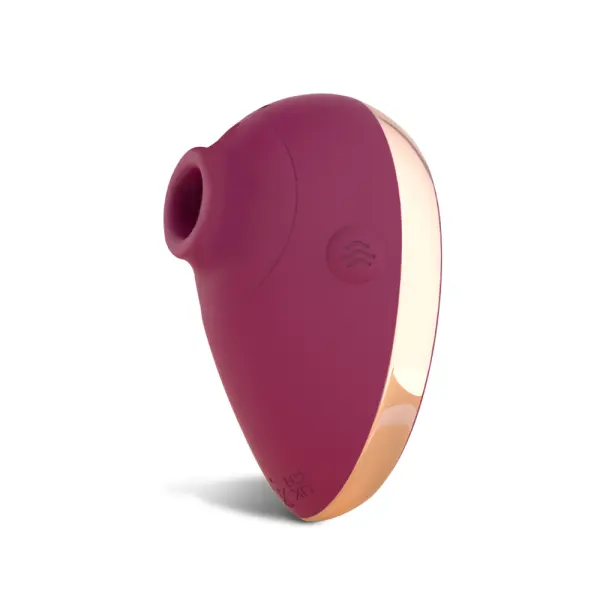
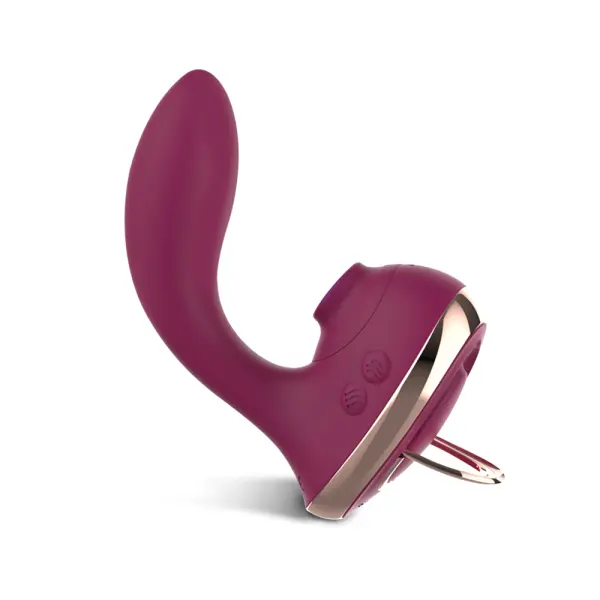
    KissTide
    The product features a luxury-inspired, elegant design with stylish electroplated …
  • Quick View
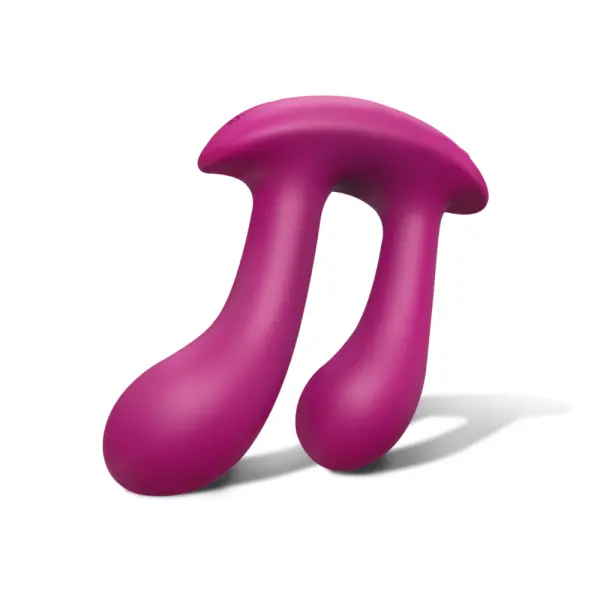
    TwinMuse
    This wearable design features dual insertion and dual vibration for …
  • Quick View
    Aura Clip
    The wearable egg features vibrating and tapping functions for hands-free …
  • Quick View
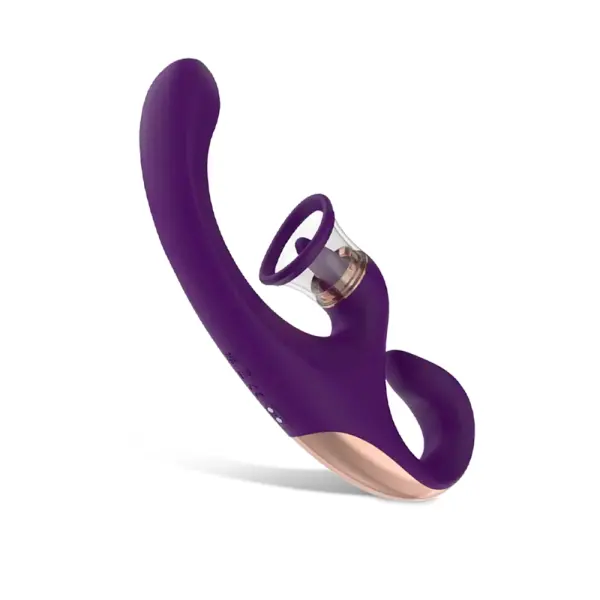
    OvaLuxe Trio
    OvaLuxe Trio is a luxury tongue licking suction vibrator designed …
  • Quick View
    KissTide Pro
    This product features a luxury-inspired, elegant design with stylish electroplated …
  • Quick View
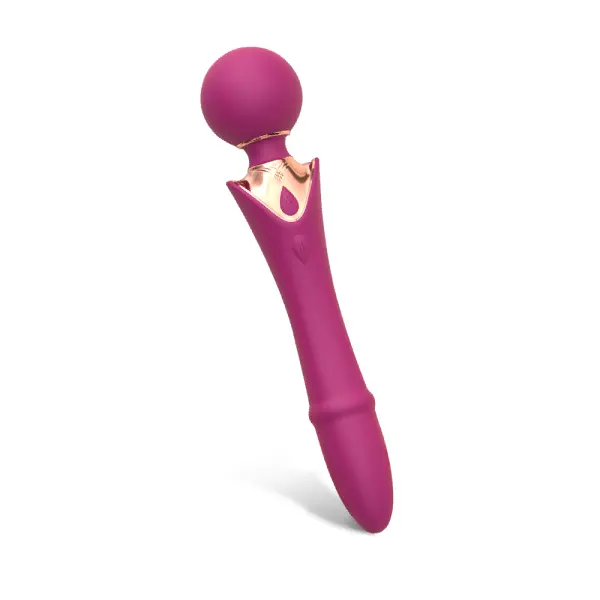
    Elysium Wand
    Elysium Wand is a luxury 2-in-1 vibrator designed in a …
Sale!

Leave a Comment

Cart0
Cart0