Table of Contents
There is a reason so many people search for lesbians having sex and still leave with incomplete answers.
Most online content falls into two extremes. It either turns female intimacy into a porn performance, or it gives such vague “communication is key” advice that it never explains what physically creates stronger pleasure in the first place.
But women’s sexual response is rarely random.
When two women sleep together, the experience often becomes more layered because female arousal usually depends on rhythm, patience, psychological safety, and repeated stimulation—not quick escalation. That means the difference between mediocre intimacy and unforgettable intimacy often comes down to a handful of practical details that many couples never consciously think about.
Some encounters feel deeply orgasmic, emotionally consuming, and almost effortless.
Others feel affectionate… yet somehow unfinished.
The gap is not chemistry alone.
It is usually understanding.
What Is Lesbians Having Sex Really Like in Real Life?
In real life, lesbians having sex is not one fixed act, one fixed position, or one fixed formula. It refers to consensual sexual intimacy between women that may involve oral stimulation, fingers, body grinding, mutual masturbation, penetrative toys, shower play, underwater teasing, breast stimulation, sensual domination, or simply prolonged external touch.
This matters because many people still unconsciously define sex around penetration.
Female pleasure usually does not.
For many women, the most intense arousal develops through accumulated sensation:
- repeated clitoral contact
- gradual pelvic tension
- mental anticipation
- internal fullness if desired
- pauses that build frustration
- pressure consistency
That means lesbian intimacy often feels less like “starting sex” and more like entering a long arousal sequence where every stage affects the next.
And once you understand that, many things start making sense.
Why Does Lesbians Having Sex Often Feel More Intense Than Expected?
Because the female body tends to respond better to sustained attention than rushed novelty.
This is where same-sex intimacy often accidentally does something right: it usually slows down.
Instead of treating foreplay as a brief introduction, women frequently treat teasing, kissing, licking, grinding, and toy play as the main body of sex itself. That longer runway gives blood flow, lubrication, and nerve sensitivity time to build.
The result?
Touch starts feeling less surface-level and more internally consuming.
Sex researchers connected to the Kinsey Institute have repeatedly discussed the orgasm gap and the importance of clitoral-centered stimulation in female satisfaction. Same-sex female intimacy naturally tends to prioritize exactly that.
So the increased intensity is not mysterious.
It is physiological.

How Do Lesbians Having Sex Create Stronger Arousal Before Clothes Even Come Off?
This is one of the biggest hidden differences between forgettable sex and body-shaking sex.
Women often become mentally turned on first, but physically receptive second.
If genital stimulation begins before anticipation builds, the body can respond—but often only partially. Touch feels pleasant without becoming overwhelming.
That is why the best sessions usually begin outside the genitals:
- slow kissing
- hands at the waist and lower back
- neck pressure
- whispered instruction
- thigh grazing
- pinning or holding
- watching each other undress
These signals create a psychological narrowing of attention.
Instead of the mind wandering, it starts tracking sensation.
And once the brain locks in, the body follows much more aggressively.
Lesbians Having Sex and the Female Orgasm Gap: Why Technique Matters More Than Passion
Passion can create desire.
Technique creates repeatable results.
Many women wrongly assume that if the emotional chemistry is high enough, orgasm should “just happen.” In reality, female orgasm usually depends on very specific forms of consistency that enthusiasm alone does not provide.
Three things matter more than people think:
1. Staying in One Successful Rhythm Long Enough
Women often lose orgasm momentum when stimulation changes every twenty seconds. A pattern that works usually needs repetition, not reinvention.
2. Building Pressure Instead of Starting With It
Direct hard clitoral stimulation too early can overload sensitivity. Gradual increase creates tolerance and deeper need.
3. Combining External and Internal Signals
This is why blended stimulation works so well. External clitoral teasing with simultaneous curved internal pressure often creates fuller contractions than either one alone.
This is also where many couples begin incorporating dual-purpose devices from SmoothToy, especially when fingers alone cannot maintain identical pressure for long periods.
Consistency, not creativity, is often the orgasm trigger.
Creativity comes after consistency.
What Physical Techniques Make Lesbians Having Sex Feel Better Almost Immediately?
Some improvements are surprisingly simple.
Slow Oral With Hand Synchronization
Instead of relying only on the mouth, combining tongue patterns with shallow finger pressure or pubic mound compression gives the clitoris a broader sensory field.
Pelvic Grinding Instead of Isolated Touch
Rather than small fingertip movements, many women respond intensely to larger pelvic friction because it activates surrounding nerve tissue.
Controlled Edging
Bringing someone close, then briefly backing off, increases pelvic congestion and makes the final release significantly stronger.
Guided Pressure Feedback
Instead of asking “Do you like this?” every minute, encourage directional feedback:
- harder
- softer
- stay there
- faster
- circles
- don’t stop
This keeps momentum alive without breaking the mood.

Why Lesbians Having Sex Can Still Feel Underwhelming Even When There’s Attraction
Attraction alone does not guarantee surrender.
This is where many couples become confused: “We love each other, we want each other, so why does sex sometimes feel nice but not explosive?”
Usually because one of these issues is happening quietly:
- too much performing
- too little verbal guidance
- rushed transitions
- not enough uninterrupted stimulation
- body insecurity
- fear of taking too long
Female arousal is highly interruptible.
Even small mental self-monitoring can flatten orgasm intensity.
This is why women often climax harder when they feel actively encouraged rather than silently observed.
Validation removes self-consciousness.
Self-consciousness is the enemy of deep release.
Can Lesbians Having Sex Get Better With Toys, or Does That Ruin the Intimacy?
Used badly, toys can feel clinical.
Used well, they feel like extended nerve control.
The difference lies in whether the toy replaces contact or deepens contact.
For example:
- a bullet vibrator during oral keeps continuous stimulation while the mouth changes angles
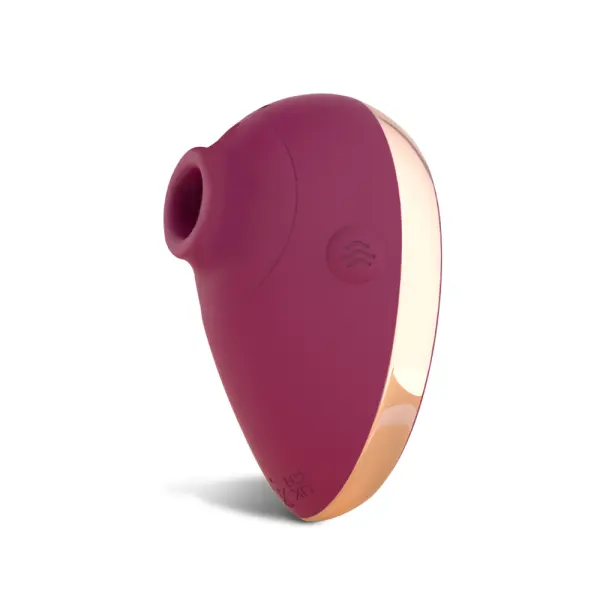
- a suction stimulator can create slow-building intensity without finger fatigue
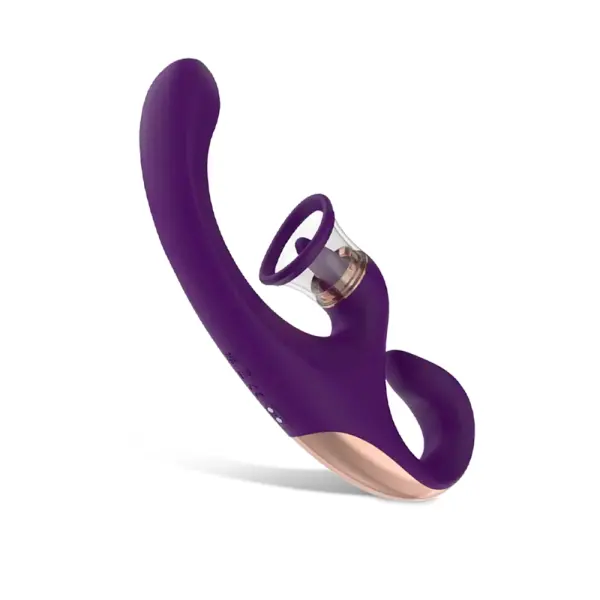
- a curved G-spot vibrator adds internal fullness during clitoral touch
- a wearable strap can introduce thrust rhythm while maintaining body closeness
This is why many modern female couples no longer see toys as “extra.” They see them as precision tools.
Soft-body ergonomic toys from SmoothToy are particularly useful here because the softer external texture prevents the cold, disconnected feel that older hard-plastic devices often created.
So no—good toy use does not reduce intimacy.
It often allows intimacy to last longer without sensation dropping.
Lesbians Having Sex Outside the Bed: Why Shower and Underwater Play Feels So Different
Novelty changes the nervous system.
The body pays more attention when the environment feels unfamiliar.
That is why shower walls, bath tubs, wet skin, and even underwater foreplay can make ordinary touch feel newly charged. Temperature shifts plus slippery skin create an almost heightened awareness of every glide and every pause.
Still, many couples misunderstand water sex.
Water is excellent for:
- body kissing
- breast play
- thigh grinding
- waterproof vibrator teasing
- visual domination
But water is not ideal for aggressive friction because it washes away natural lubrication.
So the best aquatic intimacy is usually sensual, teasing, and slow—not rushed penetration.
When used that way, it can completely break long-term routine.

Why Emotional Security Changes How Lesbians Having Sex Feels in the Body
This point gets dismissed as “relationship advice,” but it is actually sexual mechanics.
When a woman feels emotionally secure, her muscles soften faster, she asks for more, and she stops monitoring whether she is “doing it right.”
That directly affects orgasm probability.
Women who feel safe are more likely to:
- make noise
- move instinctively
- request pressure
- request toy use
- ask for position changes
- surrender timing control
Women who do not feel fully safe often remain half-curated.
Half-curated bodies rarely produce full sexual abandon.
So yes, trust is sexy—but more importantly, trust is functional.
Long-Term Lesbians Having Sex: How to Stop It From Becoming Predictable
Comfort can quietly become repetition.
Repetition can quietly become numbness.
Long-term couples usually do not need “more sex” as much as they need disrupted patterns.
That may look like:
- assigning one partner total control for the night
- mirror sex
- mutual masturbation watching only
- hotel or travel intimacy
- blindfold oral teasing
- shower-to-bedroom transitions
- introducing a new clitoral or G-spot toy
- fantasy scripts
Even one unfamiliar sensory input can make the body stop operating on autopilot.
That is why strategic novelty often matters more than frequency.
The Biggest Misconceptions About Lesbians Having Sex That Keep Pleasure Average
Many women are not missing desire.
They are missing accurate assumptions.
The most common misconceptions are:
- sex should naturally escalate fast
- changing techniques means being skilled
- orgasms should happen without guidance
- toys mean something is lacking
- emotional closeness automatically creates physical surrender
None of those are reliably true.
Better sex usually starts when couples stop chasing what looks exciting and start paying attention to what keeps the nervous system steadily aroused.
That is a very different goal.
And a much more effective one.
Final Thoughts: Great Sex Between Women Is Usually Built, Not Accidentally Found
The most memorable female-to-female intimacy is rarely the result of one lucky night where everything magically clicks.
More often, it comes from understanding how women actually become overwhelmed by pleasure: through anticipation, repeated sensation, emotional permission, enough time, and sometimes the right external tools to sustain what human hands cannot endlessly reproduce.
That means better sex often comes from surprisingly practical upgrades:
stay longer, rush less, guide more, vary the setting, use stimulation intelligently, and stop assuming affection alone will carry the body where technique never takes it.
Bodies are responsive, but they are not mind readers.
And although educational resources can offer strong starting points, persistent pain, numbness, or ongoing orgasm difficulty always deserves individual guidance from a qualified sexual wellness professional when needed.
If you’re interested in truly understanding the emotional and physical dynamics of woman-to-woman intimacy, don’t miss this insightful guide: How Woman to Woman Making Love Really Works.
Several sexuality studies suggest women in same-sex relationships often report higher orgasm frequency, largely because clitoral stimulation and longer foreplay receive more focus.
Most couples prefer a mix of clitoral and G-spot stimulation rather than single-function toys. Dual stimulation options tend to provide more flexibility.
Yes, when used mainly for sensual play and teasing. Slower touch usually works better than friction-heavy penetration in water.
Because the body adapts to predictable sequences. Changing timing, environment, and stimulation style often restores anticipation quickly.
Absolutely. Mental tension can interrupt lubrication, relaxation, and orgasm progression even when attraction is still present.
-
 Quick View
 -
Quick View
-
Quick View
-
Quick View