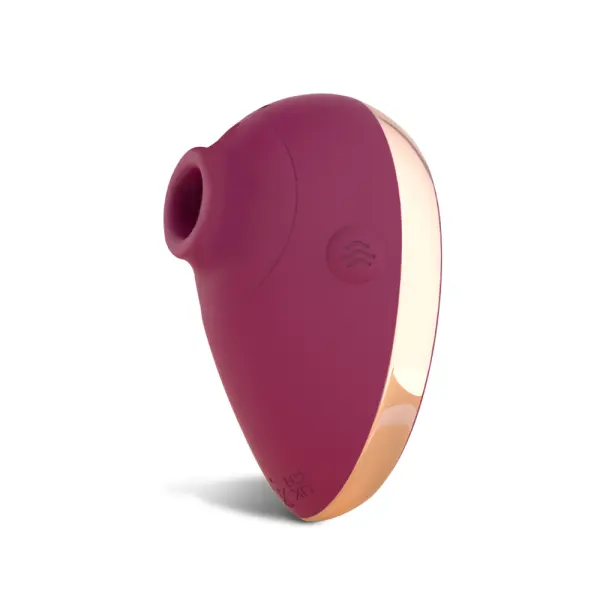
BDSM is an acronym for Bondage, Discipline, Dominance, Submission, Sadism, and Masochism, representing a diverse range of erotic practices and relationship dynamics. Over the past decades, BDSM has gained recognition as a consensual, safe, and psychologically enriching activity. Many people are curious about BDSM but hesitate due to misconceptions or a lack of knowledge.
In this comprehensive article, you will learn the true meaning of BDSM, its history, essential safety principles, beginner steps, popular practices, and the critical role of aftercare. By prioritizing education and responsibility, anyone can explore kink confidently and enjoyably. Safe, informed BDSM strengthens intimacy and self-awareness when practiced responsibly.
What is BDSM?
BDSM is an umbrella term describing a wide spectrum of erotic practices involving consensual power dynamics, physical restraint, sensory stimulation, and role-playing. It breaks down as follows:
- Bondage & Discipline (B&D): Involves physical restraint (using ropes, cuffs, or other tools) and rules or punishment for structure and control.
- Dominance & Submission (D/s): Centers on power exchange where one partner (Dominant) leads, and the other (submissive) yields control within negotiated boundaries.
- Sadism & Masochism (S&M): Refers to deriving pleasure from giving or receiving pain or intense sensations.
BDSM is not inherently about pain or violence. Many practitioners enjoy psychological elements, sensory play, or light control without any discomfort. Activities range from mild (blindfolds and teasing) to intense, but all rely on mutual agreement. Importantly, BDSM is distinct from abuse because consent, safety, and the ability to stop at any time define it
The History and Evolution of BDSM
BDSM-like practices date back thousands of years. Ancient Mesopotamian rituals around 3100 BC included elements of power and sensation play associated with goddess worship. Similar practices appeared in ancient Greece, Rome, and in texts like the Kama Sutra, which detailed sensory and impact techniques.
In the Western world, modern BDSM evolved significantly in the 18th–19th centuries through literature such as The Story of O and the works of the Marquis de Sade. The 20th century saw the rise of organized communities, particularly in post-WWII leather subcultures among gay men in the United States.
The internet in the 1990s and 2000s democratized access to information, safety education, and community connections. Media like Fifty Shades of Grey brought BDSM into mainstream awareness while highlighting the need for accurate education about consent and safety. Today, the BDSM community continues to emphasize ethics, inclusivity, and risk-aware practices.
Core Principles of Safe BDSM Practice
Responsible BDSM rests on established frameworks that guide ethical play:
- SSC (Safe, Sane, and Consensual): Activities should be safe, participants mentally sound, and all actions fully consensual. This foundational model emerged in the 1980s.
- RACK (Risk-Aware Consensual Kink): Acknowledges that some activities carry inherent risks. Participants must understand and consent to those risks.
- PRICK (Personal Responsibility Informed Consensual Kink): Emphasizes individual accountability and full disclosure of information before play.
A practical consent model is FRIES: Freely given, Reversible, Informed, Enthusiastic, and Specific. Consent must be ongoing and can be withdrawn at any time. These principles distinguish healthy BDSM from harmful behavior and form the foundation for all safe exploration.
Consent and communication are equally important in adventurous intimacy, including public or outdoor experiences. Learn how couples safely explore outdoor sexual experiences.
BDSM Safety Essentials Every Practitioner Must Know
Safety is non-negotiable. Key practices include:
- Safe Words and Signals: Use a clear system such as “Red” (stop), “Yellow” (slow down), and “Green” (continue). Non-verbal signals are essential for gagged or restrained play.
- Risk Awareness: Understand physical risks (nerve compression, circulation issues, falls) and emotional triggers. Avoid alcohol or drugs that impair judgment.
- Health Considerations: Discuss medical conditions, medications, allergies, and STI status. Practice safer sex and proper hygiene.
- Physical Safety: Learn proper techniques for bondage (avoid joints and neck pressure), impact play (target safe areas like fleshy buttocks), and edge activities.
- Emergency Preparedness: Keep safety shears, first-aid supplies, and emergency contacts accessible.
Regular check-ins during scenes and thorough knowledge of anatomy significantly reduce risks.
Communication and Negotiation in BDSM
Before any physical play begins, a negotiation must take place. This is a sober, detailed conversation where partners discuss:
Hard Limits: Activities that are strictly off-limits.
Soft Limits: Activities that might be explored with caution.
Safewords: A “Traffic Light” system is common:
Green: Everything is good.
Yellow: Slow down, check in, or change intensity.
Red: Stop immediately. All play ceases, and the scene ends.
BDSM for Beginners – Your First Steps
Start slow and prioritize education. Begin with low-risk activities such as blindfolds, light spanking, or role-play. Discuss fantasies openly and set clear boundaries.
- Research techniques through reputable sources.
- Attend workshops or read community-vetted guides when possible.
- Practice with a trusted partner or start solo to learn your responses.
- Watch for red flags: pressure to skip negotiation, ignoring safe words, or lack of aftercare.
Build experience gradually, celebrate small successes, and never feel rushed. The goal is mutual enjoyment and growing confidence.
Popular BDSM Practices and Techniques
Common practices include:
- Bondage: Using ropes, cuffs, or tape for restraint (focus on safety and circulation). A beautiful and artistic form of bondage is shibari (Japanese rope bondage), which emphasizes aesthetics and connection.
- Impact Play: Spanking, flogging, or paddling for sensation.
- Sensory Play: Blindfolds, ice, feathers, or temperature play.
- Power Exchange and Role-Play: Exploring dominance, submission, or specific scenarios.
- Service or Protocol: Structured rules and rituals in D/s dynamics.
Always research proper technique and start lightly. Advanced activities (often called “edge play”) require significant experience and extra precautions.
Some experienced players also explore post-orgasm torture, where continued stimulation happens after climax. It belongs in the advanced sensation-play category and should only be approached with clear consent, safewords, and aftercare.
The Critical Role of Aftercare
Aftercare is the process of emotional and physical recovery after a BDSM session. Activities may include:
- Physical comfort: cuddling, hydration, or massage
- Emotional support: reassurance, discussion of feelings
- Reflection: assessing what worked well and what could improve
Aftercare strengthens trust, reduces post-play anxiety, and ensures a healthy psychological experience.
Common BDSM Myths and Misconceptions
- Myth: BDSM is abuse. Reality: Consent and the ability to stop make it the opposite of abuse.
- Myth: Practitioners are psychologically damaged. Reality: Studies show BDSM practitioners are often mentally healthy and well-adjusted.
- Myth: It’s only about pain and extreme acts. Reality: Practices exist on a broad spectrum; many avoid pain entirely.
- Myth: Women are always submissive. Reality: Dynamics are diverse across all genders and orientations.
Education dispels these myths and promotes healthier attitudes toward kink.
Conclusion & Call to Action
BDSM offers profound opportunities for intimacy, self-discovery, and pleasure when approached with respect, knowledge, and consent. By understanding its principles, prioritizing safety, and maintaining open communication, you can explore confidently and responsibly.
Start with honest conversations, continue learning, and always put consent and well-being first. Safe BDSM is empowering and deeply rewarding.