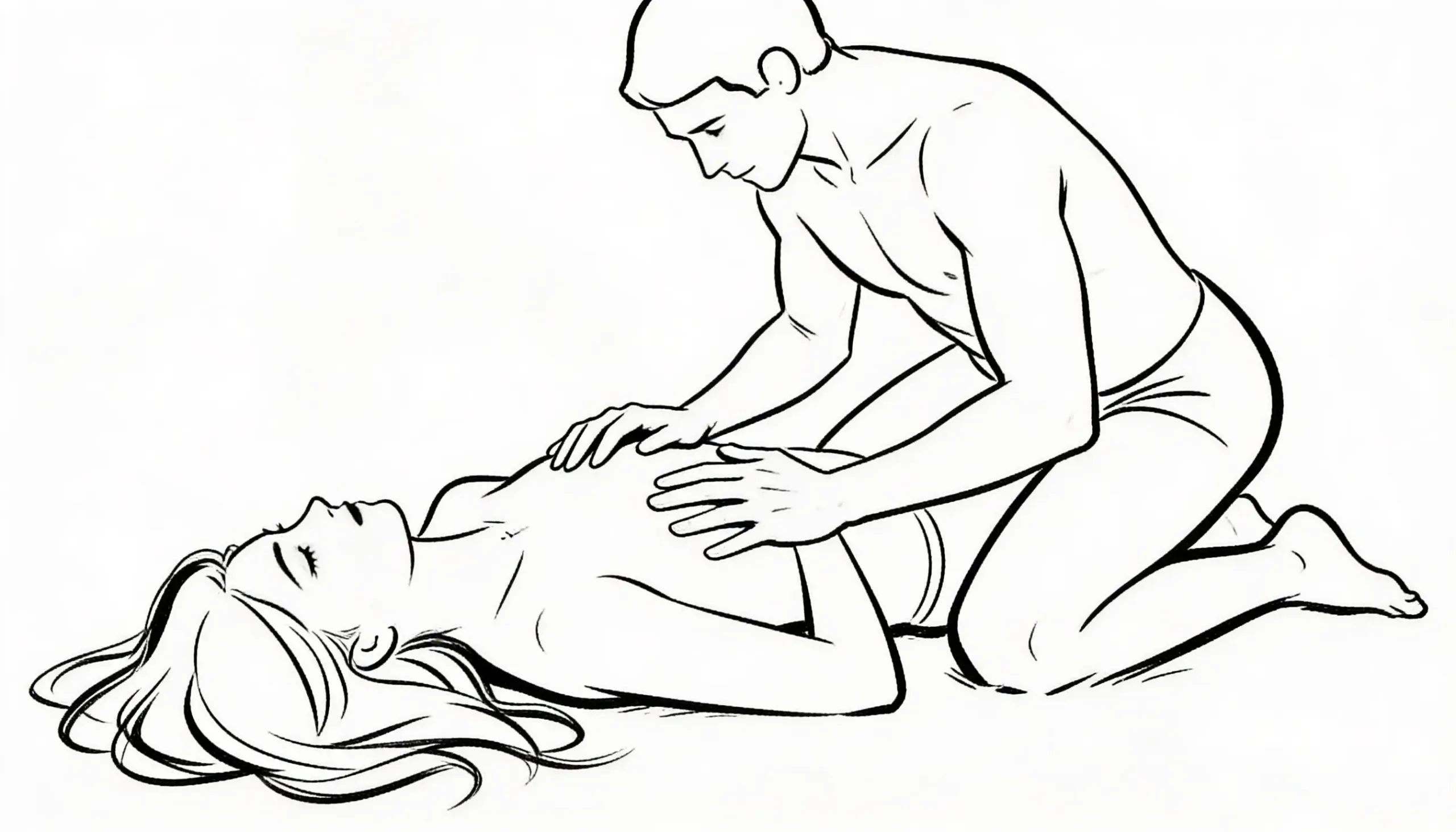
Yoga sex positions sound exciting for obvious reasons. They suggest flexibility, body control, deep intimacy, and a kind of bedroom novelty that feels more adventurous than the usual routine.
Once real bodies are involved, the question changes quickly: can your hips, knees, lower back, shoulders, and balance actually handle those flexible moves?
The good news is that you do not need to be a yoga expert to explore yoga-inspired intimacy. Most couples are not trying to copy a perfect studio pose.
Instead, they are borrowing what makes yoga feel useful: slower breathing, better body awareness, gentle stretching, and more intentional movement.
Still, flexible sex positions can become uncomfortable when couples rush, force an angle, or treat pain as part of the challenge.
The best yoga sex positions are not always the most dramatic ones. They are the ones both partners can enjoy safely, adjust easily, and stop without embarrassment.
What Are Yoga Sex Positions?
Yoga sex positions are intimate positions inspired by familiar yoga shapes, such as butterfly, bridge, lotus, low lunge, downward dog, child’s pose, and happy baby.
The goal is not to turn sex into a workout. Instead, couples use yoga-inspired body angles to create more openness, closeness, support, or control.
Yoga itself is commonly linked with postures, breathing, and relaxation. The National Center for Complementary and Integrative Health explains that yoga often emphasizes physical postures, breathing techniques, and meditation.
Sexual health also includes more than physical technique. The World Health Organization describes sexual health as involving physical, emotional, mental, and social well-being in relation to sexuality.
That matters here because a position is only worth trying if it feels respectful, safe, and mutually wanted.
Why Couples Are Curious About Yoga Sex Positions
People search for yoga sex positions for different reasons. Some want more flexibility in bed. Others want new positions that feel sensual without becoming rough or intimidating.
Many couples are simply curious about whether breathing, stretching, and slower movement can make intimacy feel more connected.
There is also a visual side to it. Yoga-inspired positions can look dramatic, open, and athletic. That makes them feel exciting before anyone even tries them.
The problem is that what looks effortless in a photo or illustration may feel awkward in real life.
This guide focuses on realistic versions. You will not find advice about forcing your body into painful shapes.
Instead, each position is explained in a way that helps couples understand how to approach it, where to use support, and when to choose something easier.
Do You Need to Be Flexible to Try Yoga Sex Positions?
No, extreme flexibility is not required. In fact, the most beginner-friendly yoga sex positions work because they are adjustable.
Pillows, cushions, folded blankets, slower movement, and smaller ranges of motion can make a huge difference.
Flexibility helps, but comfort matters more. Someone with tight hips may enjoy a butterfly-inspired position with pillow support.
Someone with knee sensitivity may prefer side-lying intimacy. Lower-back tension may make deep arches uncomfortable, which is why supported bridge variations are usually better.
Pain is not a sign that the position is working. Shaking from effort, numbness, sharp pulling, restricted breathing, or pressure in the knees, wrists, neck, or lower back means the body is asking for a change.
9 Yoga Sex Positions Couples Can Try Carefully
1. Butterfly-Inspired Position

For couples trying yoga sex positions for the first time, the butterfly-inspired position is usually one of the easiest places to start.
One partner reclines on a bed or soft surface, bends the knees, and lets the legs open naturally, similar to a gentle butterfly stretch.
The other partner stays close in a kneeling or seated position. Nothing about this move should feel forced.
The knees do not need to drop wide, and the hips do not need to look perfectly open. If the inner thighs feel tight, pillows under the knees can soften the stretch.
A small pillow under the hips may also help the body settle into a more comfortable angle.
Couples often like this one because it keeps the bodies close and makes communication easy. Eye contact, kissing, touching, and small adjustments all feel natural here.
For a deeper guide on this specific move, read Butterfly Sex Position.
2. Bridge-Inspired Position

Bridge-inspired sex sounds more athletic than it needs to be. In practice, most couples do better with a supported version.
One partner lies on their back with the knees bent, while a firm pillow or wedge supports the hips. That creates a lifted angle without asking the lower back to do all the work.
Trying to hold a full bridge for too long can quickly turn intimacy into a core exercise.
Support makes the position more stable and lets both partners focus on sensation rather than endurance. The hips only need to be raised enough to feel a difference.
Lower-back comfort is the main thing to watch. If the reclining partner feels compressed, tense, or unable to breathe easily, the lift is probably too high.
A smaller pillow, flatter angle, or completely different position is better than pushing through strain.
Yoga is generally considered safe for healthy people when performed properly, but injuries can still happen. That is why yoga safety guidance is relevant when adapting yoga shapes for intimacy.
3. Seated Lotus Position

Seated lotus feels less like a challenge and more like a pause. One partner sits comfortably, either cross-legged or with the legs loosely folded.
The other partner sits facing them, close enough for arms to wrap around the shoulders, neck, or waist.
Strict yoga form is not necessary. Most people will feel better sitting on a cushion or folded blanket, especially if the hips or knees are tight.
The point is to create closeness, not to prove that either partner can sit in a perfect lotus pose.
This position is especially useful for couples who want slower, more emotional intimacy. It allows eye contact, kissing, breathing together, and easy conversation.
For a dedicated version of this pose, see Lotus Sex Position.
4. Low Lunge-Inspired Position

Low lunge-inspired positioning brings more stretch into the experience. It is better for couples who already feel comfortable with simpler options.
One partner uses a half-kneeling shape, with one knee down and one leg forward. The other partner stays close enough that nobody has to lean, twist, or reach too far.
Knee support is essential here. A folded blanket, yoga mat, or soft pillow under the kneeling leg can prevent pressure from building too quickly.
The front foot should feel stable, and the knee should not twist inward.
This position can feel active and sensual because it uses the thighs and hips more than a fully supported pose.
Still, it is not ideal for anyone with knee pain, tight hip flexors, poor balance, or discomfort in lunging movements.
When the body starts fighting the position, switch to something lower and easier.
5. Downward Dog-Inspired Position

Downward dog-inspired positioning gets attention because the shape is instantly recognizable. It can look bold, flexible, and visually exciting.
Realistically, most couples should avoid copying a full downward-facing dog during intimacy.
A safer version is to lean forward onto a bed, sofa, or stable surface instead of placing full body weight into the hands and wrists.
The knees can stay slightly bent, the arms can rest comfortably, and the body does not need to form a sharp yoga angle.
This section connects naturally with Doggy Style variations because both topics involve body angle, support, and communication.
The important difference is that yoga-inspired positioning should stay focused on stability rather than visual performance.
Shoulders, wrists, hamstrings, and lower back need attention here. If the leaning partner feels too much pressure in the upper body, the position should be softened immediately.
6. Child’s Pose-Inspired Variation

Compared with the more athletic options, a child’s pose-inspired variation feels softer and more grounded.
One partner rests forward on a bed or cushioned surface, with the upper body supported by pillows. The knees bend naturally, and the body stays low rather than lifted.
Comfort depends on space. The resting partner should not feel trapped, compressed, or unable to breathe.
Raising the chest or hips slightly with pillows can reduce pressure and make the position feel more open.
Many couples like this variation because it feels slow and supported. It does not require strong balance or dramatic flexibility.
Still, communication matters because one partner may have less room to move quickly.
If the neck, knees, chest, or lower back feel restricted, the position needs adjustment.
7. Happy Baby-Inspired Position

Happy baby-inspired positioning is more advanced than it looks.
Comfort depends on space. The resting partner should not feel trapped, compressed, or unable to breathe.
The legs do not need to be pulled high, wide, or held tightly. Gentle is better here.
Tight hips, stiff hamstrings, or lower-back sensitivity can make this position uncomfortable very quickly.
Pillows under the hips may help, and keeping the knees closer together can reduce the intensity.
Some couples enjoy this option because it feels playful and open. Others may find it too exposing or too demanding.
Both reactions are normal. This is not a beginner must-try; it is an optional variation for bodies that already tolerate hip-opening positions well.
8. Cowgirl With Yoga-Inspired Control

Cowgirl with yoga-inspired control is one of the most practical choices on the list because it does not require extreme flexibility.
One partner reclines, while the other takes the more active role and controls the pace, angle, and pressure.
The yoga-inspired part comes from awareness. Instead of rushing, the active partner can keep the spine relaxed, breathe steadily, and move with control.
Small shifts in posture can change the feeling without turning the position into a difficult pose.
This option often works well because the active partner can slow down, pause, lean forward, sit taller, or change knee placement when needed.
For a fuller explanation of this position and its variations, read Cowgirl Sex Position.
Knee fatigue can happen on firm surfaces, so pillows or a softer mattress may help.
If the active partner feels strain in the knees, hips, or lower back, switching positions is better than pushing through.
9. Side-Lying Stretch Position

Side-lying stretch is the calmest option on this list. Both partners lie on their sides, either facing each other or facing the same direction.
Knees can stay slightly bent, and pillows can support the hips, thighs, or lower back.
This position works well for couples who want intimacy without performance pressure.
The bed supports most of the body, so there is less demand on the knees, wrists, shoulders, and spine.
It also suits slower moments when both partners want closeness but not athletic movement.
A pillow between the knees can help keep the hips aligned. Small shifts usually solve discomfort quickly, which makes this position easier to maintain than many flexible sex positions.
For beginners, tired bodies, or couples who prefer comfort over intensity, this may be the most realistic choice.
Beginner-Friendly Yoga Sex Positions
Starting with the most dramatic move is usually a mistake.
Beginner-friendly yoga sex positions should be easy to adjust, easy to stop, and comfortable enough that both partners can focus on connection rather than balance.
Butterfly-inspired positioning, seated lotus, side-lying stretch, and cowgirl with yoga-inspired control are the best starting points for most couples.
They do not demand extreme flexibility, and they allow plenty of communication.
If trying something new makes one partner tense or self-conscious, the issue may not be the position itself.
It may be the pressure around the moment. Your site’s guide on Sexual Anxiety can support readers who need more emotional safety before trying new forms of intimacy.
Advanced Yoga Sex Positions: What Couples Should Avoid Rushing Into
Flexible positions can become risky when couples treat them like a challenge.
Deep backbends, unsupported inversions, extreme hip openers, and balance-heavy positions are not necessary for better sex.
They may look impressive, but they can put too much pressure on the neck, wrists, knees, hips, or lower back.
Breathing is a useful warning sign. If someone has to hold their breath to stay in position, the body is probably working too hard.
Numbness, sharp pain, tingling, dizziness, or a trapped feeling should end the attempt immediately.
Better intimacy does not come from forcing the body into a difficult shape.
It comes from choosing positions that let both people stay present, comfortable, and responsive.
How to Make Yoga Sex Positions More Comfortable
Support changes everything. Pillows under the knees, hips, chest, or lower back can turn a difficult angle into a comfortable one.
A folded blanket can protect the knees. A stable bed or firm surface can prevent slipping.
Simple stretching before intimacy may help, but it should stay gentle. Nobody needs a full yoga session first.
A few slow movements for the hips, thighs, back, and shoulders can make the body feel more ready.
Clear communication matters just as much. Before trying a new position, couples can agree on simple phrases like “slower,” “hold,” “change angle,” or “stop.”
That makes adjustment feel normal instead of awkward.
The Minnesota Department of Health lists communication, negotiating limits, and respecting boundaries as characteristics of sexually healthy adults.
That makes communicating sexual limits an important part of trying any new intimate position.
If readers need more help starting that conversation, link naturally to How to Talk About Sex.
Safety Tips Before Trying Yoga Sex Positions
Pain should never be part of the goal. Stretching sensations can happen, but sharp pain, joint pressure, numbness, or restricted breathing means the position needs to change.
Knees, hips, wrists, shoulders, neck, and lower back deserve extra care. These areas often carry the most pressure during flexible positions.
Couples should avoid slippery surfaces, unstable furniture, and any move that depends on sudden balance.
Consent also has to stay active. Planned Parenthood explains that sexual consent means actively agreeing to sexual activity.
In practical terms, trying a position once does not mean either partner has agreed to keep going if it stops feeling good.
Checking in can be simple: “Is this okay?” “Do you want to adjust?” “Should we switch?”
Those questions can make the experience safer and more relaxed.
Are Yoga Sex Positions Actually Better for Intimacy?
Yoga sex positions are not automatically better than classic positions.
Some couples love them because they feel new, sensual, and more intentional. Others may find them awkward or too physically demanding.
Their real value is not flexibility alone. These positions can encourage couples to slow down, notice body language, breathe more steadily, and talk about comfort.
That can make intimacy feel more connected, even when the position itself is simple.
When a pose feels too difficult, it stops being sexy.
The best option is the one that lets both partners stay relaxed enough to enjoy each other.
Final Thoughts: Flexibility Helps, But Comfort Matters More
Yoga sex positions can be exciting, intimate, and surprisingly beginner-friendly when couples approach them with patience.
You do not need to be extremely flexible, and you do not need to copy a perfect yoga pose.
Start with supported, low-pressure options like butterfly-inspired, seated lotus, side-lying stretch, or cowgirl with yoga-inspired control.
Save the more demanding moves for later, and only try them if both bodies feel ready.
Your body does not need to handle every flexible move.
It only needs to feel safe, comfortable, and connected enough to enjoy the ones that actually work for you.
FAQ
Is yoga sex safe for beginners?
Yoga sex can be safe for beginners when couples choose simple, supported positions and avoid forcing painful angles. Butterfly-inspired, seated lotus, and side-lying stretch are usually better starting points.
Which yoga sex position is easiest to try first?
Butterfly-inspired positioning is often the easiest place to start because it allows closeness, eye contact, and simple adjustments. Side-lying stretch is another low-pressure beginner option.
Do yoga sex positions require extreme flexibility?
No. Most yoga-inspired sex positions can be modified with pillows, cushions, smaller movements, and slower pacing. Comfort matters more than how dramatic the position looks.
What should couples avoid during yoga sex positions?
Couples should avoid sharp pain, forced stretching, locked joints, unstable surfaces, restricted breathing, and pressure on the knees, hips, wrists, neck, or lower back.
Can yoga improve intimacy?
Yoga-inspired intimacy may help couples slow down, breathe more steadily, and notice body feedback. It works best when both partners feel comfortable, curious, and able to communicate.