Table of Contents
If you have come across the phrase clothespin sex position, it probably sounds like the name of one specific move. In reality, most people use the term to describe clothespin BDSM, clip play, or nipple clamp-style sensation play rather than a traditional sex position.
The appeal is usually less about body positioning and more about pressure, anticipation, and heightened sensitivity. For some couples, that mix of teasing and control adds novelty to intimacy, especially when explored slowly and consensually.
The phrase also stands out because it creates an immediate visual: grip, tension, and holding something in place. Still, familiar household objects are not automatically body-safe, which is why communication, comfort, and controlled pressure matter far more than intensity.
What Does Clothespin Sex Position Usually Mean?
In most real-world use, clothespin sex position refers more to clip play or clamp-based BDSM than to a recognized sex-position category. People often use the phrase loosely when describing pinching sensation play involving nipples or other soft tissue.
Some couples experiment with literal household clothespins, while others use adjustable nipple clamps designed specifically for erotic play. Even though the search term includes the word “position,” the focus is normally on sensation rather than body posture.
That distinction matters because many beginners search for the term expecting a physical technique similar to spooning or missionary, only to discover a form of pressure-based stimulation connected to anticipation, teasing, and control dynamics.
Why the Phrase Clothespin Sex Position Became Popular
The phrase became memorable because it combines something ordinary with something sexual. Familiar household objects often attract curiosity in BDSM culture because they feel accessible and slightly taboo.
Online discussions, social platforms, and adult wellness blogs also helped popularize the keyword over time. Today, many people search clothespin sex position out of curiosity about nipple clamps, beginner BDSM ideas, or sensation play rather than an actual bedroom position.
How Does the Clothespin Sex Position Feel During Play?
At its core, clothespin-style clip play creates controlled pinching pressure. While the clamp stays attached, the body experiences tension and heightened awareness. Once removed, blood flow returns rapidly, which can create a rush of sensitivity or a stronger sting sensation.
For some people, the excitement comes from the physical feeling itself. Others enjoy the psychological side more, especially anticipation, teasing, surrender, or power exchange.
Intensity varies heavily depending on pressure, placement, timing, and individual pain tolerance. One person may experience mild teasing while another finds the exact same pressure overwhelming.
Why Some People Enjoy Clothespin BDSM
Pleasure and pain can overlap neurologically, which partly explains why controlled sensation play feels exciting for some people. Anticipation also increases mental focus, making even light pressure feel more intense.
Several factors often contribute to the appeal:
- Heightened body awareness
- Anticipation and suspense
- Trust between partners
- Power-exchange dynamics
- Increased sensitivity after removal
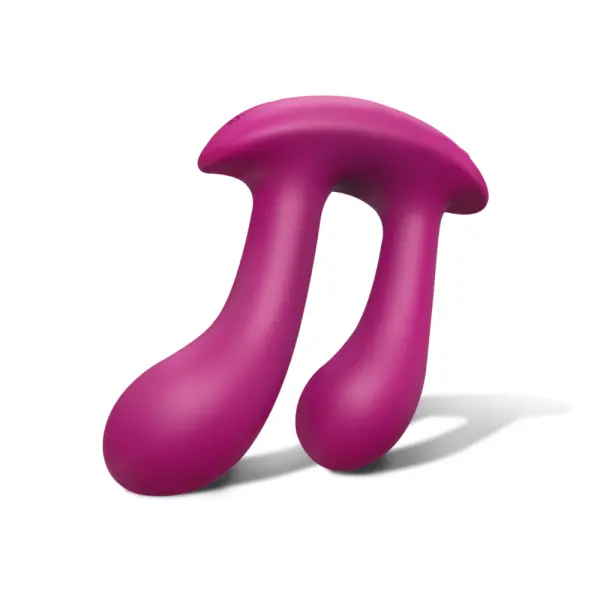
In some cases, partners combine clip play with slow-building stimulation from wearable vibrators or quiet bullet-style toys. That layered approach often shifts the experience away from pure pain and more toward contrast, tension, and full-body sensitivity.

How to Try Clothespin Sex Position More Safely
Beginners usually have better experiences when they approach clip play slowly rather than treating it like a test of pain tolerance. Stronger pressure rarely equals better pleasure.
Start with light pressure and short timing. Observe how the body responds before increasing intensity. Organizations like Planned Parenthood also emphasize communication, consent, and body awareness as important parts of safer sexual exploration.
Beginner Safety Basics for Clothespin Play
| Safety Factor | Why It Matters |
|---|---|
| Light pressure | Reduces bruising and overwhelming discomfort |
| Short sessions | Helps avoid circulation-related irritation |
| Adjustable clamps | Provides more control than household clips |
| Frequent skin checks | Helps spot irritation early |
| Clear communication | Prevents accidental escalation |
Communication matters far more than toughness. If someone experiences numbness, sharp pain, dizziness, or lingering discomfort, the scene should stop immediately.
Areas Beginners Should Avoid
Certain body areas carry higher risk because the tissue is delicate or circulation is more sensitive. Beginners should avoid experimenting on damaged skin, irritated tissue, or highly vascular areas.
Even experienced BDSM educators often recommend starting conservatively rather than trying to imitate extreme online content.
Why Adjustable Clamps Are Usually Better Than Household Clothespins
Although literal clothespins inspired the keyword, body-safe nipple clamps are generally easier to control and safer to experiment with. Adjustable clamps allow users to gradually increase or reduce pressure instead of relying on one fixed tension level.
That matters because sensation play is ultimately about predictability and control. Household items can pinch unevenly or slip unexpectedly, which creates a less comfortable experience.
Modern beginner-friendly clamps often include:
- Adjustable tension settings
- Silicone-coated tips
- Wider pressure distribution
- Easier release mechanisms
For couples exploring sensation play together, purpose-built accessories often feel less intimidating and more manageable than improvised household objects.
Can the Clothespin Sex Position Be Dangerous?
The term itself is not inherently dangerous, but careless clip play can absolutely create problems. Excessive pressure, poor placement, damaged skin, or long duration all increase risk.
Most mild issues involve temporary redness or tenderness. According to Cleveland Clinic sexual health guidance, persistent numbness, broken skin, or circulation-related discomfort should never be ignored during any form of pressure-based body play.
Warning Signs You Should Stop Immediately
The body usually provides warning signals when pressure becomes unsafe. Ignoring those signals increases the chance of injury.
Stop immediately if you notice:
- Numbness
- Blue or pale discoloration
- Broken skin
- Persistent sharp pain
- Swelling that continues afterward
- Dizziness or nausea
The goal should always be controlled sensation, not physical harm.

How Communication Changes the Experience
Communication often determines whether BDSM exploration feels exciting or stressful. Because sensation tolerance varies widely, partners cannot rely on assumptions alone.
Before trying clothespin-style play, discuss:
- Pressure limits
- Sensitive areas
- Hard boundaries
- Safewords or stop signals
- Emotional comfort levels
- Aftercare expectations
Those conversations reduce uncertainty and build trust, which usually improves the experience far more than increasing intensity.
Why Aftercare Matters in Clip Play
Aftercare refers to the emotional and physical support partners provide after a BDSM scene ends. Even relatively mild clip play can create adrenaline shifts or emotional vulnerability afterward.
Some couples prefer reassurance and physical closeness afterward, while others simply want rest and hydration. There is no single formula, but checking in afterward helps both partners feel safer and more connected.
What Are Better Alternatives If Clothespin Play Feels Too Intense?
Many people enjoy the idea of anticipation and sensory teasing but discover that stronger pinching is not actually pleasurable for them. Fortunately, sensation play includes many softer alternatives.
Popular lower-intensity options include:
- Feather teasing
- Ice or temperature play with safe limits
- Adjustable low-pressure clamps
- Vibrating stimulation
- Sensory blindfolds
- Mutual teasing games
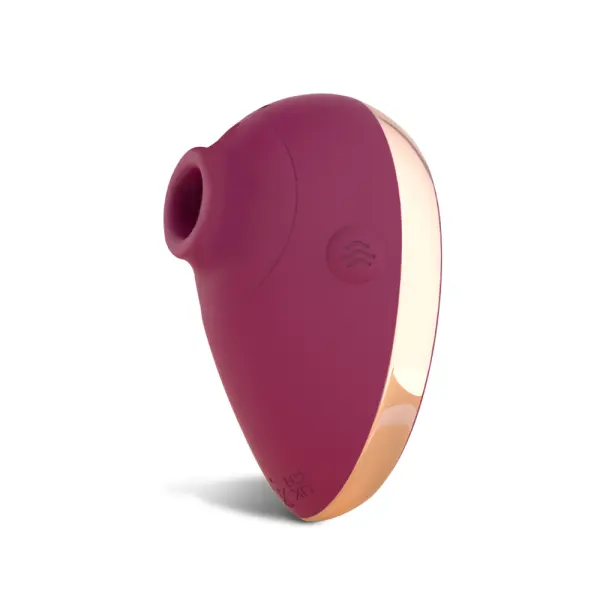
Some couples also mix softer sensory play with low-intensity external vibrators or suction-style stimulators because the focus stays on teasing and gradual arousal rather than sharp pressure alone. For many beginners, that feels less intimidating while still keeping the anticipation aspect that makes sensation play appealing.
Exploration works best when curiosity stays flexible. There is no reason to force one exact activity simply because it looks exciting online.
Does Safer Sex Still Matter During Clothespin Sex Position Play?
Yes. Even though clip play is often categorized separately from penetrative sex, STI prevention still matters whenever scenes involve oral sex, penetration, genital contact, or shared toys.
Broken or irritated skin can also increase vulnerability to infection, which makes hygiene especially important during sensation play.
Safer-Sex Habits Worth Keeping
| Practice | Why It Helps |
|---|---|
| Condom use | Helps reduce STI transmission risk |
| Cleaning shared toys | Lowers bacterial exposure |
| Avoiding damaged skin | Helps prevent irritation and infection |
| Discussing testing history | Encourages informed consent |
| Using body-safe materials | Minimizes allergic reactions |
Clip play may feel different from conventional intimacy, but safer-sex principles still apply.
Why Curiosity Around Clothespin Sex Position Keeps Growing
Search interest around clothespin sex position reflects a broader shift toward curiosity-driven sexual wellness. Many adults now approach intimacy less as a rigid script and more as a form of communication, experimentation, and sensory exploration.
Social media and relationship-focused content have also normalized conversations around beginner BDSM topics that were once considered niche. As a result, sensation play continues attracting interest from couples looking to add novelty without immediately moving into more extreme experiences.
For some people, that curiosity eventually expands into other forms of sensory-focused intimacy, including teasing-focused foreplay, external stimulation toys, or wearable vibrators that emphasize gradual buildup rather than intense pressure. In many relationships, those softer forms of experimentation feel easier to communicate about and integrate naturally over time.
Still, curiosity works best when paired with education and body awareness. Understanding boundaries, consent, and comfort creates healthier experiences than simply chasing intensity for shock value.
Bottom Line
Despite the name, clothespin sex position is usually not a traditional sex position at all. Most people are actually referring to clip play, nipple clamps, or BDSM-style sensation play involving pressure and anticipation.
For beginners, the safest approach is usually the simplest one: start slowly, communicate clearly, keep pressure controlled, and prioritize comfort over intensity. Adjustable body-safe clamps generally offer more control than household clothespins, while softer forms of sensory play may work better for people who prefer gentler experimentation.
For couples who are more curious about anticipation and sensitivity than stronger pinching, gentler forms of sensory play — including warming lubricants, external stimulation toys, or teasing-focused foreplay — may create a more comfortable starting point without losing the psychological excitement that draws people to clothespin-style play in the first place.
Ultimately, healthy sexual exploration depends less on novelty and more on trust, comfort, and informed decision-making. If discomfort, irritation, or unusual symptoms occur, it is always smarter to pause and seek guidance from a qualified medical professional rather than pushing through pain.
In most cases, the term refers to clothespin BDSM, nipple clamp play, or sensation-based clip play rather than one fixed penetrative position. The focus is usually on pressure and stimulation instead of body posture.
It can be beginner-friendly if couples use light pressure, shorter timing, and clear communication. Adjustable clamps designed for body use are generally safer than household clothespins.
Many people enjoy the anticipation, heightened sensitivity, and psychological dynamics involved in controlled sensation play. Others are more interested in teasing and trust-building than pain itself.
There is no universal timing that works for everyone. Beginners usually benefit from shorter sessions and regular skin checks instead of leaving clamps attached for long periods.
Yes. Feather teasing, vibrating stimulation, adjustable clamps, sensory blindfolds, and temperature play are all common lower-intensity alternatives for people who dislike stronger pinching sensations.
-
 Quick View
 -
Quick View
-
Quick View
-
Quick View