In recent years, the term “cockwarming” has gained attention, but what does it really mean? Often discussed in niche communities, cockwarming is a practice that involves an intimate connection between partners, yet it remains widely misunderstood.
This article will explore the origins, practices, benefits, and potential risks associated with cockwarming — a form of non-thrusting intimacy similar to dry humping and intercrural sex.
Whether you’re new to the concept or looking for more insights, this guide will provide you with everything you need to know.
What Is Cockwarming?
As the term implies, cockwarming is the act of a partner with a penis placing themselves inside their partner—orally, vaginally, or anally—with the sole intention of staying warm and connected.
Unlike traditional intercourse, which relies on movement and friction to build toward a climax, cockwarming is about stillness. It is essentially “prolonged spooning” taken to the next level. It is a non-thrusting act that prioritizes proximity, comfort, and sensory connection over sexual performance.
Is It the Same as "Soaking"?
No. While both involve stationary penetration, the intent behind them is different.
Cockwarming is a consensual, non-thrusting act of intimacy. It is about stillness, presence, and using the warmth of a body to hold a partner.
Soaking (also known as “jump-humping”) is a term that gained viral popularity on social media. It typically refers to inserting a penis without thrusting, with the intent of having a third party create movement to facilitate penetration. It is often cited as a practice used to bypass abstinence rules.
The Origins of Cockwarming
The exact origins of cockwarming are unclear; it is likely an intimate practice that has existed as long as human relationships have. The term began appearing in online forums like Urban Dictionary around 2014.
While its roots are hard to trace, its popularity in modern discourse has likely grown alongside the mainstreaming of BDSM. Within BDSM communities, cockwarming is often used as a tool for power dynamics—such as a dominant partner “holding” a submissive partner—but it has since evolved into a versatile way for all couples to explore intimacy.
A Beginner’s Guide to Cockwarming
If you and your partner are interested in exploring this practice, follow these steps to ensure a positive and comfortable experience.
1. Prioritize Communication and Consent
Even if you have been together for years, introducing a new practice requires a conversation. Discuss why you want to try it, what it means for your connection, and how it differs from your typical sexual routine.
Ask for explicit consent: Ensure both partners are fully on board.
Listen actively: If your partner expresses hesitation, respect their boundaries. Experimentation should never feel like an obligation.
2. Choose Your Approach
Cockwarming can be practiced in three primary ways:
Oral: The penis is held within the mouth. There is no sucking or thrusting; it is simply a stationary, warm embrace.
Vaginal: The penis is placed inside the vagina and left to rest. This is often comfortable enough that partners can fall asleep or watch a movie while connected.
Anal: As with any anal play, ensure you use adequate, high-quality lubricant. The penis is gently slid inside and left to remain stationary. Note: If you are new to anal play, prioritize comfort and safety.
3. Setting the Scene
Cockwarming has no set location. You can practice it in a jacuzzi, in bed, on the couch, or anywhere you feel safe and comfortable. Because there is no thrusting, it is much easier to maintain for extended periods, from a few minutes to the entire duration of a film.
4. Enhance the Experience (Optional)
While the act itself can be non-sexual, you can certainly add elements to make it more enjoyable:
Lubrication: Use flavored lubricants for oral warmth or high-quality silicone/water-based lubes for penetration.
Aids: Consider arousal gels or cock rings if you want to maintain a prolonged erection comfortably.
Creativity: View this as an opportunity to be creative with your intimacy.
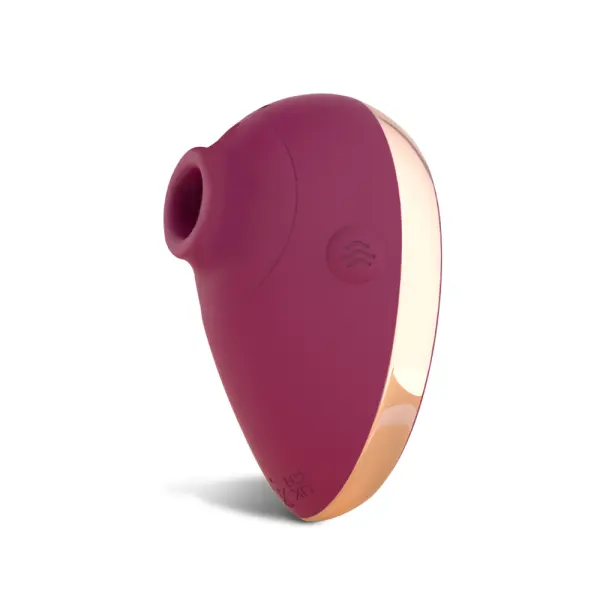
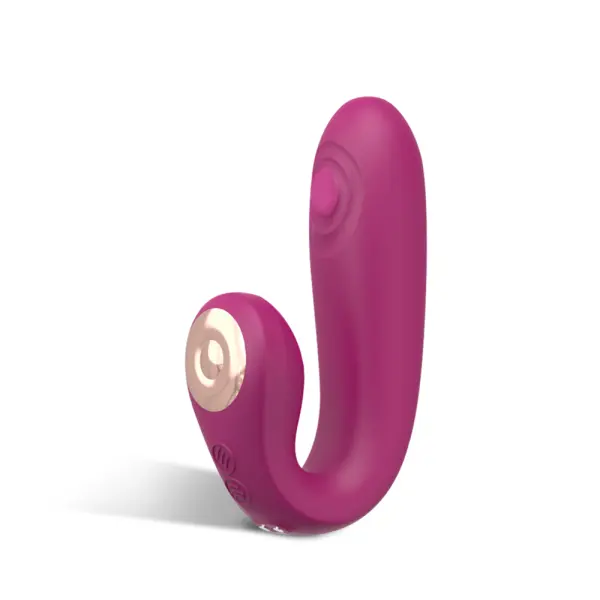
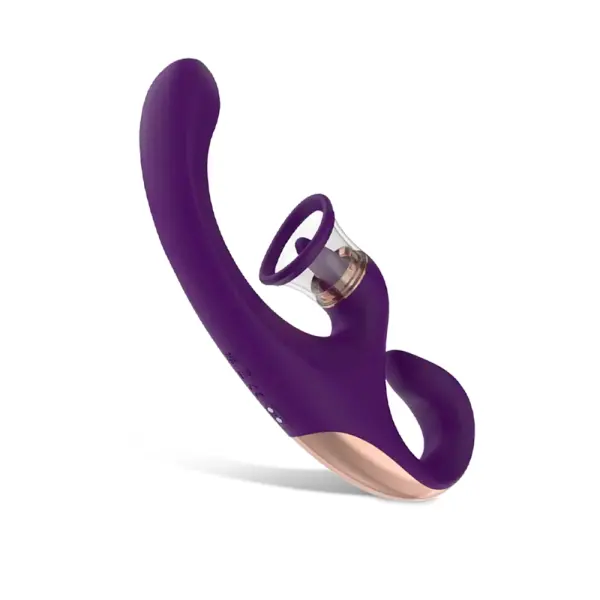
Many couples enhance the experience by combining with couples vibrators for gentle external stimulation.

The Benefits and Risks of Cockwarming: What to Know
While cockwarming can be a profound way to connect with a partner, it is important to approach the practice with both excitement and awareness. Understanding the potential benefits and the necessary safety precautions ensures a positive experience for everyone involved.
The Benefits of Cockwarming
For many couples, the primary appeal of cockwarming is the shift away from performance-based intimacy toward pure presence.
Removal of Performance Pressure: Because cockwarming is inherently non-thrusting, it removes the pressure to climax or perform sexually. This is particularly beneficial for partners experiencing ED, medication-related issues, or general performance anxiety.
Enhanced Emotional Intimacy: By engaging in sustained, stationary proximity, partners can focus on cuddling, conversation, and “being” together rather than “doing.” It functions as an extended form of spooning that fosters a deep sense of security and safety.
Versatility in Intimacy: Cockwarming serves as an excellent low-stakes form of foreplay or, conversely, a standalone act of affection. It allows partners to maintain physical connection while engaged in other activities, such as watching a movie or resting.
Mindfulness: The practice encourages a slower, more deliberate pace. It helps partners stay present in the moment, focusing on the warmth and physical sensation rather than the goal of orgasm.
Risks and Safety Considerations
While cockwarming is generally safe, it involves physical contact that requires mindfulness regarding health and hygiene.
Hygiene and Infection: Because the penis remains in place for extended periods, it is essential to be mindful of bacteria transfer. Always ensure both partners are clean before starting to reduce the risk of Urinary Tract Infections (UTIs), especially for vaginal or anal cockwarming.
Lubrication Needs: Even without thrusting, friction can occur due to body movement or adjustments. Always use a high-quality, body-safe lubricant to prevent micro-abrasions, irritation, or chafing.
Physical Strain: Remaining in one position for a long duration can lead to muscle cramps or numbness. Listen to your body and feel free to adjust your position or take breaks to ensure comfort.
The “Slow-Burn” Effect: For some, the proximity can lead to high levels of arousal. If one partner has a physical limitation that prevents them from reaching climax, this level of intense, stationary stimulation might lead to frustration. Always communicate openly before and during the practice to ensure it remains a pleasurable experience rather than a stressful one.
Consent and Boundaries: Never assume that the absence of thrusting implies a lack of sexual intent. Discuss your boundaries beforehand—specifically regarding whether this is intended as a non-sexual act or a precursor to other sexual activities.
The Bottom Line
Cockwarming is as safe as any other form of intimate contact, provided you prioritize clear communication and basic hygiene. By maintaining an open dialogue about your expectations and physical comfort, you can turn this practice into a reliable way to sustain intimacy, regardless of your sexual function or performance goals.
Cockwarming in BDSM
It is worth noting that while cockwarming can be a soft, romantic act, it is also a staple in BDSM. A dominant partner may use it as a form of “consensual non-consent” (CNC) or punishment, holding a submissive partner in place or requiring them to “warm” them while they perform other tasks (like chores or relaxing). As with all kink, this relies entirely on trust, pre-negotiated boundaries, and safe words.
Final Takeaway
Cockwarming is a beautiful, versatile practice. It can be a way to navigate performance anxiety, a method to increase emotional intimacy, or a fun kink to explore. The most important rule? There are no rules—except for consent. Focus less on how long it “should” last or what it “should” look like, and focus more on the connection you are sharing with your partner.
-
 Quick View
 -
Quick View
-
Quick View
-
Quick View