Breast Sex for Couples: What to Know Before Trying It
Breast sex for couples is often talked about as a fantasy, but real-life experience usually depends on comfort, communication, and mutual interest. What looks effortless in porn can feel awkward, unbalanced, or simply unappealing in a real relationship.
That is why this topic is worth discussing in a more honest way. For some couples, breast-focused intimacy feels playful and exciting. For others, it does not feel natural at all. Neither response is wrong.
A better conversation starts with one simple idea: shared pleasure matters more than performance. When both partners feel relaxed, respected, and free to speak up, curiosity has a better chance of becoming a positive experience.
Why Some Couples Feel Curious About It
Breast-focused intimacy has strong visual appeal for many people. It can also feel emotionally charged because the chest is already linked to attraction, tenderness, and physical closeness.
In some relationships, the curiosity is not only about stimulation. It is also about novelty. Couples often look for new ways to stay connected without jumping straight into routines that feel repetitive.
There is also a difference between being curious and being deeply committed to the idea. Many people simply wonder what it feels like. That kind of curiosity is common, and it does not need to become a major sexual preference to be worth talking about.
Fantasy and Reality Are Often Very Different
One reason this subject gets misunderstood is that fantasy usually removes all the awkward parts. Real bodies are not staged. Angles, size differences, posture, and comfort all affect how something actually feels.
That gap between fantasy and reality can surprise people. A couple may expect instant excitement, then realize the moment feels physically awkward or emotionally forced. When that happens, it does not mean the relationship is failing. It usually means expectations were shaped by unrealistic images.
Pleasure is also highly individual. One partner may find breast-focused contact highly erotic, while the other feels distracted by body tension, self-consciousness, or simple discomfort. Sexual compatibility is often less about copying an idea and more about adapting it to real people.
Comfort Matters More Than Most People Expect
Comfort is the factor people underestimate most. Skin friction, pressure, breast sensitivity, body positioning, and muscle strain can all shape the experience in ways that fantasy rarely shows.
For some women, the breasts feel highly sensitive and pleasurable. For others, too much pressure can feel irritating rather than intimate. Sensitivity may also change with the menstrual cycle, hormonal shifts, stress, or general body fatigue.
Posture also plays a bigger role than many couples assume. If one person feels unsupported, tense, or stuck in an awkward position, the whole experience can lose its appeal quickly. Physical ease often matters more than trying to make the moment look a certain way.
That is why couples usually get better results when they think in terms of overall comfort, not performance. A slower pace, more support, and less pressure to “do it right” often lead to a more relaxed and connected experience.
Body Confidence Can Shape the Experience
Breast sex for couples is not only a physical topic. It is also tied to body image. Some women feel confident and playful when attention is focused on their chest. Others may feel exposed, judged, or overly observed.
Those feelings deserve space. A person can love their partner and still feel uncomfortable with a certain kind of attention. That discomfort is not selfish. It is useful information.
Many couples benefit from talking about emotional comfort before trying anything new. Some questions are simple but important. Does this sound exciting, awkward, neutral, or stressful? Does it feel playful, or does it create pressure?
Healthy sexual exploration usually becomes easier when body confidence is protected, not tested. Feeling wanted is helpful. Feeling evaluated is not.
Communication Should Come Before Experimentation
This topic is much easier to handle when it is discussed outside the bedroom first. A calm conversation often creates better results than raising the idea in the middle of a sexual moment.
Tone matters. A partner usually responds better to curiosity than to expectation. “Would you ever want to try that together?” feels very different from “I want you to do this for me.”
The goal is not to persuade. The goal is to explore whether there is mutual interest. That makes room for honesty, and honesty is what protects trust.
It also helps to allow mixed answers. Someone may say, “I am curious, but not sure,” or “I might try it if we keep it light.” Those answers are valuable. Sexual comfort often develops gradually, not instantly.
Consent Is Not Just a Formality
Consent in intimate relationships should be active, not assumed. Even with a long-term partner, interest in one type of sex does not automatically mean interest in another.
Mutual willingness is what makes exploration feel safe. Without that, the moment can start to feel performative, uncomfortable, or emotionally one-sided.
Consent also includes the freedom to stop. A person may agree in theory, then realize the reality feels awkward or unpleasant. Being able to pause without embarrassment is part of what makes the experience respectful.
Couples who handle this well tend to treat feedback as normal. A change of mind is not a failure. It is simply part of learning what works and what does not.
When It May Not Be the Right Time
There are times when breast-focused intimacy may be better avoided. Breast tenderness, skin irritation, recovery after medical procedures, hormonal discomfort, or general body sensitivity can all make the experience less enjoyable.
Emotional timing matters too. If one partner already feels insecure, pressured, or disconnected, trying something highly body-focused may intensify those feelings instead of improving intimacy.
The same is true when curiosity is driven by pressure rather than interest. Trying a new sexual act to keep someone happy rarely creates the kind of connection couples actually want.
A useful rule is this: if the idea creates more tension than excitement, it may not be the right moment. Intimacy should not feel like a test.
What Usually Improves the Experience
In many cases, couples enjoy the idea more when they stop treating it as a standalone performance. It tends to work better as part of a broader atmosphere of intimacy, foreplay, and trust.
A relaxed setting can make a real difference. So can more time, less rushing, and a willingness to laugh if things feel a little awkward. Not every sexual experience has to look polished to feel good.
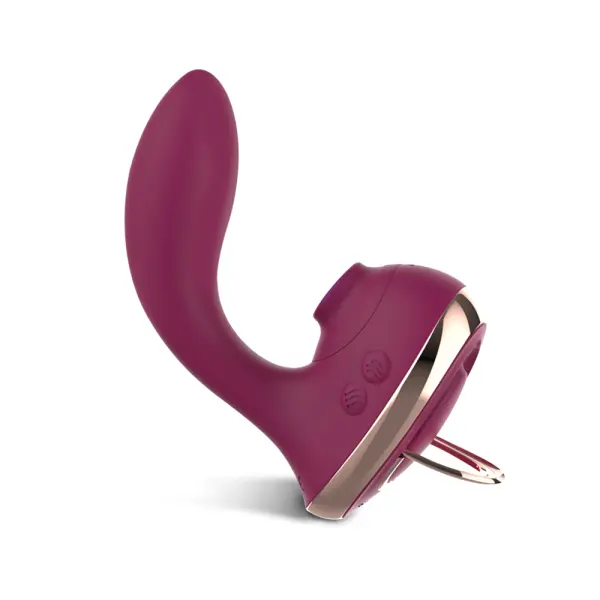
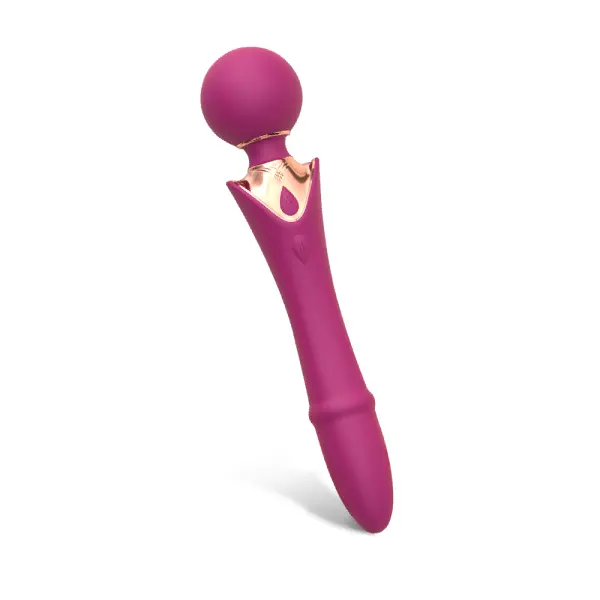
Some couples also find that breast-focused intimacy becomes more comfortable when it is paired with other forms of touch, kissing, massage, or couple-friendly toys. In that context, the experience feels less like a specific demand and more like part of a shared rhythm.
If you want to focus more on sensation than performance, nipple play techniques can be a softer starting point. They help couples explore pressure, warmth, rhythm, and feedback before moving into more involved chest-focused play.
That shift in mindset matters. When the focus moves from “making this act work” to “making the whole moment feel good,” the pressure often drops.
Porn Is a Poor Standard for Real Couples
Porn can make any act look simple, seamless, and universally exciting. Real intimacy is rarely like that. People have different bodies, different thresholds, and very different emotional reactions.
Using porn as a standard often creates two problems. First, it raises unrealistic expectations. Second, it can make one partner feel they are being compared to a performance rather than desired as a person.
A healthier approach is to treat sexual ideas as starting points, not scripts. The best experiences usually come from adaptation, not imitation.
For couples, that is especially important. A satisfying sex life is not built by recreating someone else’s fantasy scene. It is built by learning what feels safe, mutual, and genuinely pleasurable in your own relationship.
Breast Sex for Couples Is Not a Requirement for Good Intimacy
Some people enjoy it. Some try it once and move on. Others realize it is more interesting in theory than in practice. All of those outcomes are normal.
No couple needs to like the same things to have a strong sex life. Sexual connection depends far more on openness, trust, and responsiveness than on any single act.
That is why breast sex for couples is best understood as an optional form of exploration, not a milestone. It can be fun when both partners are comfortable. It can also be skipped without losing anything essential.
A healthy intimate relationship is not measured by how many fantasies get acted out. It is measured by how well two people listen, adapt, and care for each other in the process.
Final Thoughts
Breast sex for couples can sound exciting, but the real experience is shaped by much more than fantasy. Comfort, body confidence, communication, and consent all matter more than many people expect.
Couples usually have a better experience when they stay honest about what feels good, what feels awkward, and what simply is not for them. That kind of honesty builds trust, and trust tends to improve intimacy far more than performance ever will.
In the end, the most satisfying sexual experiences are rarely the ones that look impressive from the outside. They are the ones that feel mutual, relaxed, and real to the people sharing them.
FAQ
Is breast sex for couples always comfortable?
Not always. Comfort depends on body position, sensitivity, skin friction, and whether both partners feel relaxed. What feels exciting in theory may feel awkward in real life.
Can breast-focused intimacy feel better with slower pacing?
Yes. Many couples find that slower pacing, physical support, and a relaxed atmosphere make breast-focused intimacy feel more natural and less awkward.
What matters more than performance when trying breast sex for couples?
Communication, mutual willingness, and physical comfort matter far more than trying to imitate a fantasy.


 Quick View