Many people assume sex ends after orgasm, but for some, that is only the beginning. Post orgasm torture (often called POT) is an intense form of consensual erotic play that explores heightened sensitivity after climax. Although the name sounds extreme, the practice is usually less about pain and more about control, anticipation, and the body’s amplified response following orgasm.
Sexual experiences after climax can vary widely. Some people enjoy the calm emotional state often described as sex afterglow, while others may occasionally experience physical reactions like nausea after sex due to overstimulation, hormones, or nervous system changes. Post orgasm torture exists within that broader conversation about how differently the body can respond once orgasm has already happened.
Understanding POT helps separate myth from reality and highlights why some people find it deeply stimulating rather than harmful.
What Is Post Orgasm Torture?
Post orgasm torture is a consensual BDSM-related practice where stimulation continues immediately after orgasm, when the body is most sensitive. This heightened sensitivity can cause sensations to feel overwhelming, ticklish, or even uncomfortably intense.
The goal of post orgasm torture is not pain for its own sake. Instead, it focuses on pushing sensory limits in a controlled, agreed-upon way. The submissive partner consents to remaining stimulated, while the dominant partner carefully manages intensity and duration.
POT and Power Dynamics
Power exchange plays a central role in POT. The submissive partner temporarily gives up control, while the dominant partner takes responsibility for pacing and safety.
This dynamic can feel psychologically intense because the body reacts strongly even when the mind feels overstimulated. Trust becomes essential, as the dominant must continuously observe reactions and respect agreed boundaries.
How Post Orgasm Torture Is Practiced
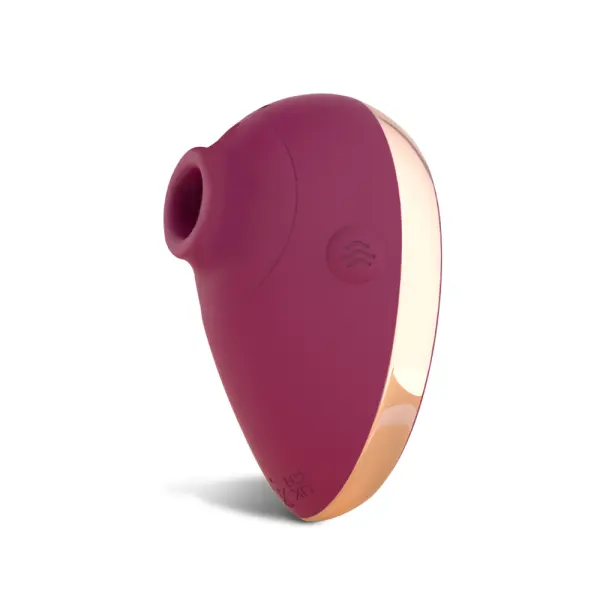
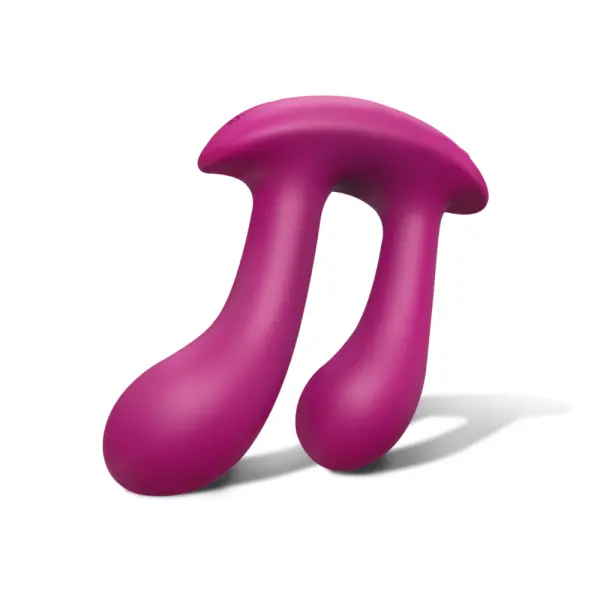
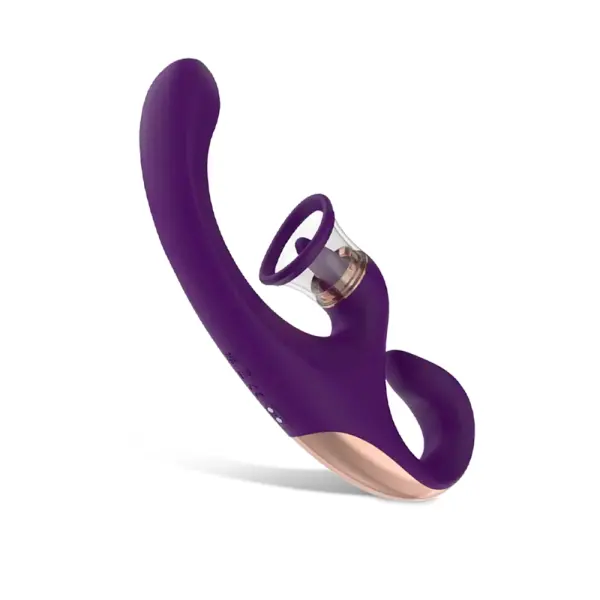
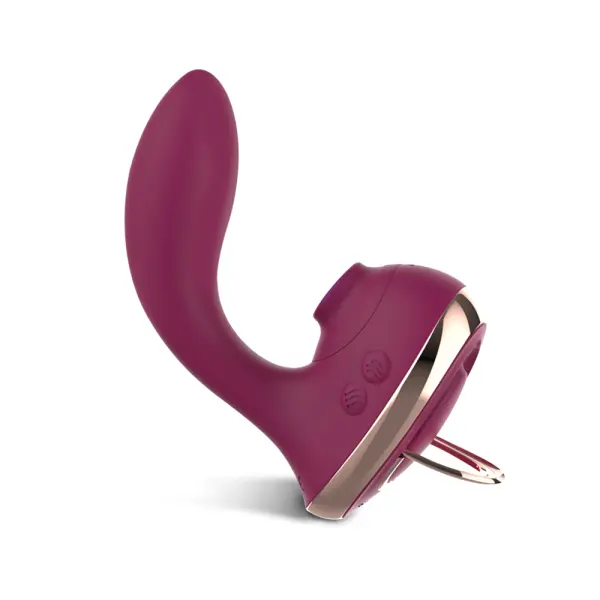
There is no single method for enjoying post orgasm torture. Stimulation may involve hands, mouths, or sex toys, depending on preference and experience level. Some people prefer steady sensations, while others enjoy variation in pressure or rhythm.
Beyond direct stimulation, combining touch with teasing or verbal play can intensify the experience. However, every technique should stay within previously discussed limits.
Sensation and Emotional Impact
One reason people explore POT is the unique mix of physical intensity and emotional vulnerability. After orgasm, sensations may feel exaggerated, leading to strong emotional responses.
For some, this creates a sense of surrender and release. For others, it deepens connection with a partner through shared trust and attentiveness.
Safety and Consent in Post Orgasm Torture
Safety is essential when practicing post orgasm torture. Clear consent must be established before any play begins, including limits, duration, and stop signals.
Key safety practices include:
Using safe words or non-verbal signals
Starting gently and increasing intensity gradually
Monitoring physical and emotional responses
Stopping immediately if distress appears
Lubrication is also important, as post-orgasm sensitivity can increase friction discomfort.
What to Discuss Before Trying It
Before exploring POT, partners should communicate openly about expectations and comfort levels. Discussing fears, fantasies, and aftercare needs helps prevent misunderstandings.
Aftercare is especially important. Comforting touch, reassurance, and calm conversation help both partners return to emotional balance after intense play.
Common Myths About POT
Myth1: Post orgasm torture is abusive
Truth1: It is consensual and based on mutual agreement.
Myth2: Only experienced BDSM practitioners enjoy it
Truth2: Curious beginners can explore it slowly and safely.
Myth3: Discomfort means something is wrong
Truth3: Mild discomfort can be part of the experience, but pain without pleasure is a signal to stop.
Final Thoughts on POT
At its core, post orgasm torture is about trust, communication, and exploration. It challenges the idea that orgasm is the endpoint of pleasure and invites partners to understand their bodies more deeply.
Like any intimate practice, it is not for everyone. When approached with care, respect, and consent, it can become a meaningful way to explore sensation, surrender, and connection.


 Quick View